
Helmet shopping tends to split into two camps: people who grab whatever fits the budget, and people who spend three weeks comparing shell materials. Most riders land somewhere in the middle. They want a helmet that matches how they actually ride, fits properly, and comes from a brand whose lineup they can actually navigate.
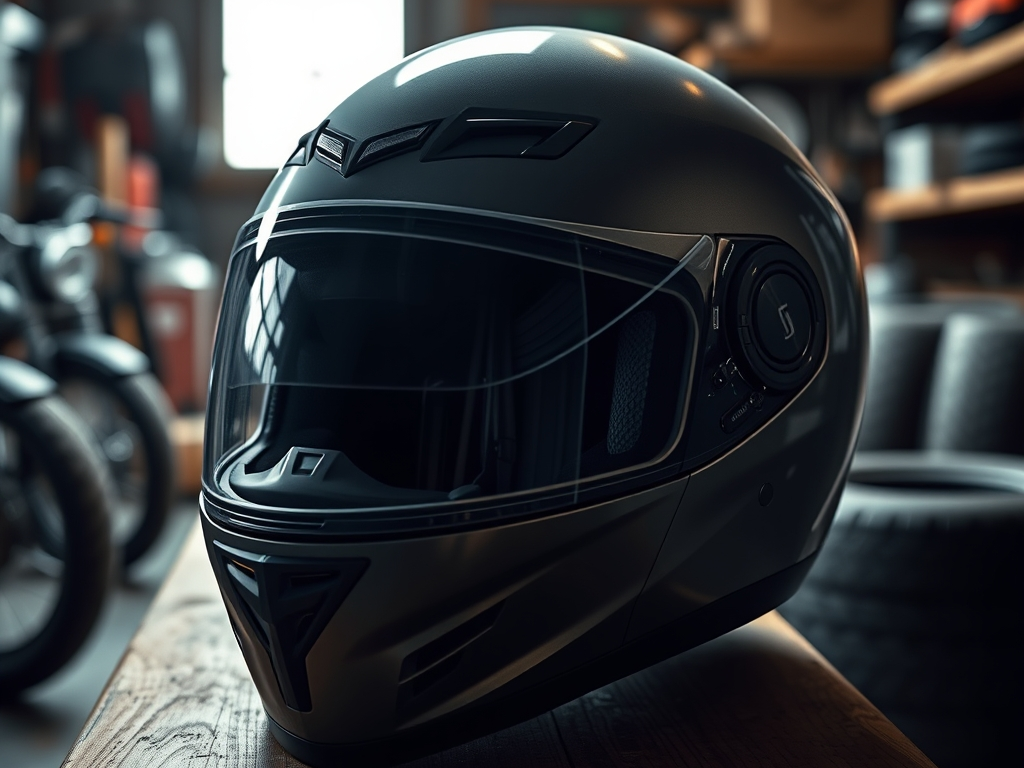
Bell Helmets is one of the names that comes up repeatedly in that search, largely because the brand covers an unusually wide range of riding. Its official site is organized around two main worlds — Powersports and Cycling — and within each one the navigation is built around riding style rather than around model numbers. That structure is genuinely useful when you’re starting from “what do I ride?” instead of “what’s the newest release?”
This overview walks through how the Bell lineup is arranged, what to weigh before choosing a category, and where shoppers most often go wrong.
How the Bell lineup is organized
On the powersports side, the brand groups helmets by the kind of riding they’re intended for. The published categories include Sport Bike, Off Road, Retro, Modular, Cruiser, Adventure, and Scooter, plus a separate accessories section and a shop-all view. That’s a meaningful amount of segmentation. A modular helmet and a retro open-face helmet are built for very different priorities, and the site treats them as separate lanes rather than folding everything into one long list.
- Sport Bike — typically oriented toward riders who spend time at speed on paved roads.
- Off Road — for dirt, trail, and moto use, where airflow and a wide field of view matter more than wind noise reduction.
- Retro — classic styling, generally aimed at riders who care how the helmet looks off the bike as much as on it.
- Modular — flip-up designs for riders who want more flexibility at stops.
- Cruiser — often lighter-coverage shapes matched to upright riding positions.
- Adventure — a middle ground for riders who mix pavement and dirt.
- Scooter — commuter-focused options for lower-speed urban riding.
The cycling side follows the same logic, with its own new-and-featured, new-arrivals, and best-sellers sections. If you already know your riding style, this is the fastest way in. If you don’t, start with the discipline and work backward.
One thing worth setting expectations on: this is a helmet-first brand. If you’re looking for a full apparel or footwear wardrobe, you won’t find it laid out the same way as the head protection. The catalog is deep on helmets and helmet accessories, which is exactly what most riders come for.
Matching the helmet to how you actually ride
The most common buying mistake isn’t picking the wrong brand — it’s picking a helmet for the riding you imagine doing rather than the riding you do most weeks. A rider who commutes twenty minutes on surface streets and takes one long tour a year probably doesn’t need the same priorities as someone doing weekend trail rides.
A few questions worth answering honestly before you browse:
Where does most of your mileage happen? Paved road, dirt, or a mix. Adventure and dual-sport categories exist precisely because that mix is common, but if 95 percent of your riding is one surface, optimize for it.
How much coverage do you want? Full-face, modular, and open-face designs trade off differently on protection coverage, airflow, and convenience. The Bell site separates modular from retro and cruiser designs, which makes those trade-offs easier to compare side by side.
Will you wear it for hours at a time? Long-distance riders tend to care more about weight, liner comfort, and ventilation than riders doing short trips. Short-trip riders often care more about how quickly a helmet goes on and off.
Do you need it to work with other gear? Eyewear, communication systems, and riding jackets all interact with helmet shape. Check the model details for compatibility notes rather than assuming.
Fit and sizing: the part that decides everything
A helmet that fits poorly is a bad purchase no matter what it costs. Start with head circumference — measured around the widest part of your head, roughly an inch above the eyebrows — and match it against the sizing chart published for the exact model you’re considering. Don’t guess from hat size alone; hat sizing varies too much between brands.
Practical things to check before ordering:
- Measure twice. Use a soft tape and keep it level. If you land between sizes, read the model’s fit notes instead of flipping a coin.
- Understand the shape, not just the size. Two helmets in the same size can feel completely different depending on internal shape. Owner feedback on a specific model tells you more than general brand impressions.
- Confirm the return and exchange window for helmets specifically, since some retailers treat safety gear differently from apparel. Policies vary, so verify before checkout.
- Check the certification labeling listed for the specific model and make sure it matches your type of riding and your state’s requirements.
- Inspect on arrival. Check the shell, liner, and strap hardware, and follow the manufacturer’s guidance on when a helmet should be replaced — including after any impact.
For U.S. shoppers, two details are easy to overlook: shipping timelines and return windows are set by the seller, not by the brand’s marketing pages, so confirm them at checkout. And check whether accessories such as visors, liners, or pads are sold separately for the model you choose.
Who should look at Bell, and who should look elsewhere
Bell makes the most sense for riders who want a single brand that spans multiple disciplines — someone with a street bike and a dirt bike, or a rider who wants a commuter helmet and a weekend option from the same place. The category-driven site structure is a real advantage if you like comparing within a lane.
It’s a weaker starting point if you have a very specific technical requirement that only a specialist brand addresses, or if price is your only deciding factor. Pricing and promotions shift, so compare the current figures on the individual product pages at the moment you buy instead of relying on general impressions about where any brand sits.
Shoppers who care most about style will find the Retro and Cruiser categories worth a look. Riders focused on performance features should spend their time in Sport Bike, Off Road, and the cycling sections instead.
FAQ
Does Bell make helmets for both motorcycles and bicycles? Yes. The official site is divided into Powersports and Cycling, each with its own categories and featured sections.
Can I use a bicycle helmet for motorcycle riding? No. These are built and certified for different types of impacts and speeds. Always match the helmet to the activity it’s designed for.
How do I know which powersports category fits me? Start with your primary riding surface and style — street, dirt, mixed, urban commuting — and use the site’s category navigation from there.
Are accessories included? That depends on the model. Check the individual product page for what’s in the box before ordering.
How often should a helmet be replaced? Follow the manufacturer’s published guidance, and replace after any impact. Don’t rely on a general rule of thumb when the brand provides specific instructions.
Next step
If you’ve been putting off the decision, narrow it down to one thing: the riding you do most. Pick the matching category on the Bell site — Powersports for street, dirt, cruiser, modular, adventure, or scooter use, or Cycling for pedal-powered riding — then compare two or three models within that lane on fit, coverage, and features. Measure your head before you order, verify the return window, and confirm the certification listed for the exact model. That sequence turns a sprawling catalog into a short, manageable list.