
If you have ever stood in a shop aisle staring at two helmets that look nearly identical but cost very different amounts, you already know the problem: bike gear is easy to buy and surprisingly hard to buy well. The same goes for locks. A helmet that fits badly is uncomfortable on every ride, and a lock that is too light for your parking situation can turn a quick errand into a bad afternoon.
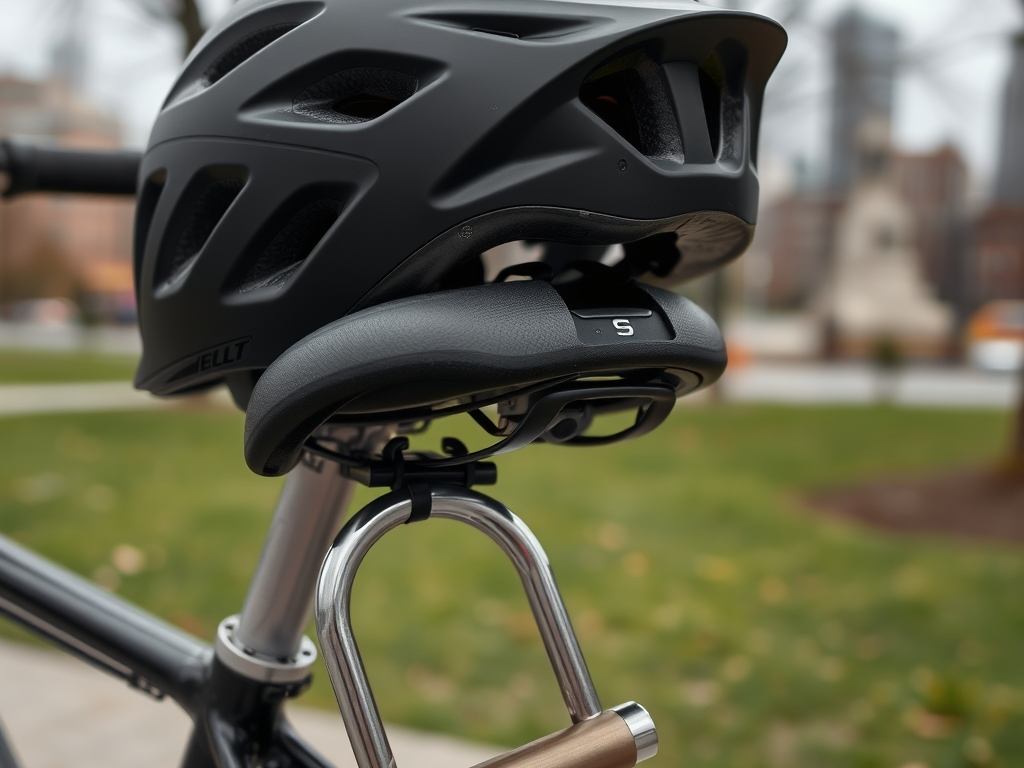
Abus is a name many riders meet first through locks, then discover again when they start shopping for helmets. The German company has been in the security business since 1924, and its current lineup for riders spans bike helmets, bike locks, motorcycle locks, and equestrian helmets. This overview walks through what the brand actually offers, how to compare options sensibly, and where a buyer should pay attention before spending.
What Abus Actually Makes
Based on the brand’s published information, Abus describes itself as a security technology company with roots going back to 1924, when August Bremicker and his sons began producing padlocks in Volmarstein an der Ruhr. That history matters less than what it signals: locks are the company’s foundation, not a side project.
For riders, the lineup divides into a few clear groups:
- Bike helmets — the brand says it offers helmets for all types of riders, from competitive cyclists to urban commuters. Its site organizes them by riding category, including road and mountain sections, plus a new-products area.
- Bike locks — the category most people associate with Abus, aimed at everyday security for bicycles.
- Motorcycle locks — security hardware for powered two-wheelers.
- Equestrian helmets — protective headgear for horseback riding.
That range is worth noting because it shapes how you should shop. This is not a fashion-first brand chasing trends; it is a security and protection company that also makes helmets. If you want a helmet with a very specific look or a narrow aero focus, you may find more variety elsewhere. If you want protective gear from a company whose core business is keeping things secure, the logic is easy to follow.
Picking the Right Helmet for Your Riding
The brand’s own site splits helmets by use case, which is the right place to start. Road riders, mountain bikers, and commuters put helmets through different demands, and a helmet optimized for one is rarely ideal for another.
A few practical filters help narrow the field:
Fit comes first. Every helmet brand uses a different head shape, and no spec sheet replaces trying a helmet on. Look for a retention system you can adjust with one hand, and check that the helmet sits level rather than tipped back. A helmet that shifts when you shake your head is the wrong size, no matter what the label says.
Match ventilation to your pace. A commuter riding slowly in summer heat needs airflow more than a road rider who is moving fast and generating their own breeze. Mountain bikers often want more coverage at the back of the head, which usually means a different shell shape.
Understand what extra protection features mean. Some Abus models, such as those carrying MIPS in their naming, include a rotational-impact system. MIPS is a slip-plane design intended to redirect certain rotational forces during an impact. It is a genuine differentiator, but it is not a guarantee against injury, and a well-fitting helmet without it is a better choice than a poorly fitting helmet with it.
Check the little things that affect daily use. Strap adjusters that are easy to set, a buckle you can operate with gloves, and a visor you can actually position all matter more after the first month than they do in the shop.
One more point for U.S. buyers: helmet standards vary by market and by activity. If you are shopping across borders or buying a helmet intended for a different sport, confirm it meets the standard that applies to how you plan to use it.
Locks: Matching Security to Your Routine
Abus built its reputation on locks, and this is where the brand’s security background is most obvious. The useful way to shop is not “which lock is strongest” but “which lock fits where I leave my bike.”
A simple way to think about it:
- Short stops in low-risk areas call for something light and quick to use. Convenience is the point, and a lock you actually carry is better than a heavier one left at home.
- Daily commutes and regular parking usually justify a mid-weight lock with a solid locking mechanism and enough length to secure the frame and a wheel to a fixed object.
- Overnight or high-theft locations call for the heaviest option you are willing to carry, ideally paired with a second lock and a consistent parking routine.
Two buying details are easy to overlook. First, check the lock’s length against the racks and posts you actually use; a compact lock that cannot reach around a thick post is a daily frustration. Second, think about how you will carry it. Frame mounts, holsters, and bag-friendly shapes all change how often you use the lock. Cable length and shackle diameter are worth comparing side by side rather than guessing from product photos.
The brand’s motorcycle locks follow the same logic for powered two-wheelers, where the goal is deterrence and difficulty of attack rather than portability alone.
Who It Fits — and Who Might Look Elsewhere
Abus tends to suit riders who treat gear as equipment rather than fashion. If you commute year-round, ride trails on weekends, or simply want a helmet and lock from a company with a long security pedigree, the range is easy to navigate. Families shopping for multiple riders also benefit from a lineup that spans casual urban use to more serious road and mountain riding.
Riders who should look more carefully include anyone with a very specific fit need, since head shapes vary widely, and anyone shopping primarily on style or on the lowest possible price. Helmet and lock pricing moves with materials and security features, so set a budget first and then compare within it rather than the other way around.
Equestrian riders have a separate consideration: helmet fit and certification for horseback riding are different from bike standards, and a bike helmet is never a substitute.
FAQ
Does Abus make helmets for beginners? The brand describes its helmets as covering everyone from competitive cyclists to urban commuters, so there are options at different levels of use. The right starting point is your riding type and fit, not the price tier.
Is MIPS necessary? It is an added protective feature, not a requirement. A correctly fitted helmet is the baseline. If you ride in higher-risk situations, it is a reasonable feature to prioritize.
Can I use one lock for everything? Rarely ideal. Most riders end up with a lighter lock for quick stops and a heavier one for longer parking, or a heavy primary lock plus a secondary cable for wheels.
How do I check fit before buying? Measure your head, compare against the brand’s size chart, and buy from a retailer with a workable return policy. Then adjust the retention system and straps before your first real ride.
Where to Start
Before you buy, decide on your primary riding type, set a realistic budget, and confirm the fit and return options at the retailer you choose — shipping, returns, and warranty terms vary by seller, so it is worth checking them up front. Then compare two or three Abus options side by side on fit, ventilation, protection features, and lock security rather than shopping by brand name alone. A few minutes of comparison now is cheaper than replacing gear that never quite worked.