
Soreness after a hard session is normal. Soreness that lingers for days, or that shows up in the same elbow or shoulder every season, is the part that quietly wrecks training plans. Most active adults already own a foam roller and a lacrosse ball. What many are now looking at is a different category entirely: home recovery equipment, the kind used by physical therapists and, increasingly, by everyday runners, lifters, and weekend athletes.
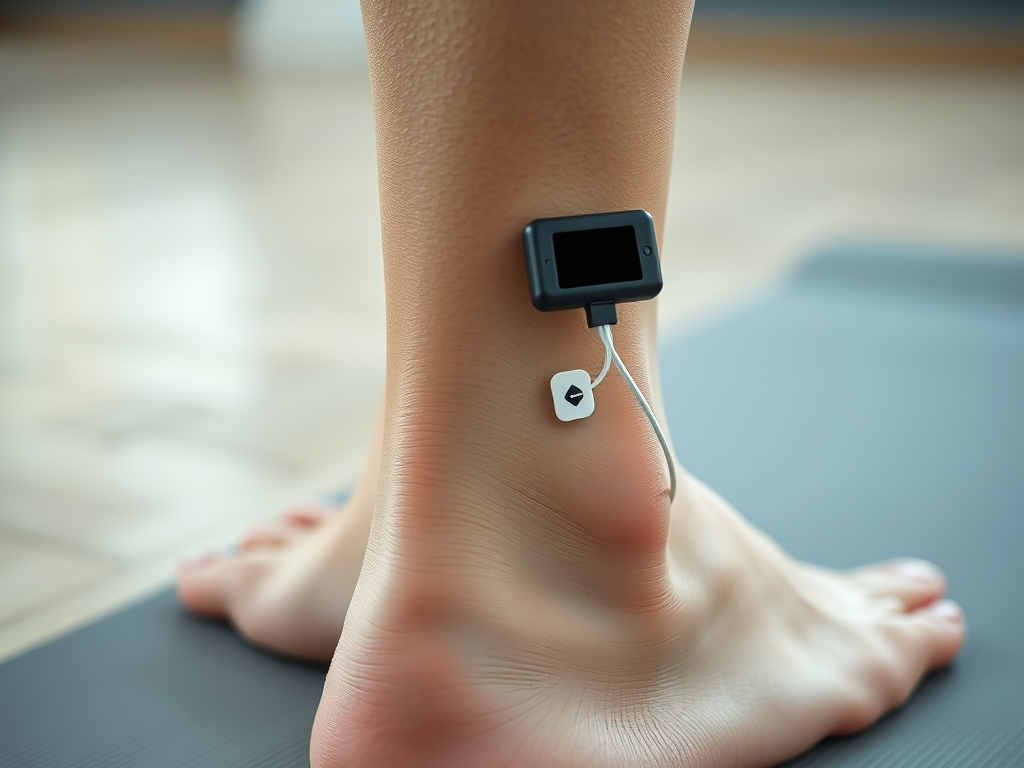
Marc Pro is one of the names that comes up most often in that conversation. Here is a plain-language look at what the company actually sells, how its devices are described, who tends to get value from them, and what to think through before spending money.
What Marc Pro Actually Sells
This is worth clearing up first, because the recovery market is crowded and the branding is not always obvious. Marc Pro is a recovery hardware company. Its lineup centers on two device models — Marc Pro and Marc Pro Plus — along with BoostPro, a massage gun the company positions as a companion to its recovery sessions.
That is the core of the business: recovery devices and a percussive massage tool. It is not a supplement brand, and its site does not present powders, capsules, or topical self-care items as the main offer. If you came looking for consumable wellness products, this is a different kind of purchase — one you buy as equipment and use repeatedly rather than restock monthly.
The company frames its mission around four outcomes, in its own words: recovering faster, performing at your best, preventing overuse injury, and relieving exercise-related pain. Those are the brand’s claims about what its tools are for. Treat them as the company’s stated positioning rather than a promise about your individual results.
How the Brand Describes the Technology
Marc Pro describes its devices as built on a patented technology rooted in the science of active recovery. The practical idea behind this category of equipment is straightforward: it is designed to support recovery between training sessions rather than add more work to an already tired body.
That distinction matters. A hard training session creates fatigue and tension in the muscle; a recovery tool is meant to help you manage that fatigue without turning recovery into another workout. It is the same general principle that made recovery equipment a staple in physical therapy clinics decades ago, now packaged for home use.
Two practical points follow from that. First, this is a recovery tool, not a strength trainer — you use it after or between sessions, not as a replacement for them. Second, because it works differently from a massage gun, the experience is different too. People who dislike vibration sometimes find this format easier to tolerate; people who want deep-tissue pressure often prefer the gun. That difference is why some people keep both types of tool on hand; Marc Pro markets BoostPro as a companion to its main devices.
Who Gets the Most Out of It
Recovery devices tend to pay off most for people with a consistent training load and a specific problem to solve.
- Athletes training several days a week who find that soreness, not motivation, is what limits their schedule.
- People with a recurring overuse complaint — tennis elbow, nagging shoulder tightness, calf tightness from running volume — who want a structured, repeatable way to work on it at home.
- Older active adults whose joints tolerate less pounding and who need muscles to recover efficiently between sessions.
- Anyone already paying for regular recovery appointments who wants something available daily rather than weekly.
The site also organizes guidance around specific sports, including baseball and softball recovery, which suggests the company sees team-sport athletes and throwing athletes as a core audience.
Who might skip it? If you train twice a week, rarely feel sore, and already sleep well, a device like this adds cost without solving a real problem. If you are dealing with an acute injury, undiagnosed pain, or a medical condition, a consumer recovery device is not the right starting point — see a physician or a licensed clinician first. And if you are mostly looking for relaxation after a long day, a cheaper massage tool will likely cover it.
Marc Pro vs. Marc Pro Plus vs. BoostPro
The lineup splits into two device tiers plus a separate massage tool. The two device models share the same underlying approach, while BoostPro is a percussive massager and serves a different role in a recovery routine.
When comparing the two device models, the questions worth asking are practical rather than technical. Ask the brand which model best fits the body areas you plan to work on, how long a typical session takes, and whether you plan to use it on one body region or several. Someone targeting a single chronic spot has different needs than a cyclist who wants to work both legs at once.
Adding BoostPro is a separate decision. Percussive tools are often used for pre-session warm-up and for spot work on larger muscle groups; the Marc Pro devices are positioned for post-session recovery. If you are choosing one first, buy for the problem you have most often.
What to Check Before You Buy
A few checks make the difference between a tool you use for years and one that sits in a closet.
- Total cost of ownership. Ask the brand about any replacement parts or accessories you may need over time and price them before you commit.
- Warranty and return policy. Read the current terms directly on the brand’s site. Recovery devices are personal purchases with a learning curve, so knowing the return window in advance matters.
- Setup and routine. Ask how the device fits into a normal day, how much time a session takes, and whether the setup suits your space. If you cannot see yourself sitting for a session, be honest about that.
- Reimbursement options. Some shoppers can apply flexible spending or health savings accounts to recovery equipment. Confirm eligibility with your plan administrator rather than assuming.
- Accessories and support. Check whether the brand provides placement guidance and customer support for setup questions — that support is what turns a device into a routine.
Frequently Asked Questions
Is Marc Pro a supplement company? No. Based on the brand’s site, Marc Pro is a recovery hardware company focused on devices and a massage gun. Shoppers looking for capsules or powders should look at a different category.
Can I use it every day? Follow the instructions that come with the device and any guidance the manufacturer provides. Frequency and session length are things to get from the brand’s own documentation, not from a general article.
Do I still need to stretch and sleep? Yes. No device replaces sleep, nutrition, and load management. Think of recovery hardware as one lever among several.
Is it right for someone with a medical condition? Ask a physician or qualified professional before using any recovery device, particularly if you have an implanted device, circulation issues, or are pregnant.
Where to Start
Marc Pro occupies a specific slot in the recovery market: home equipment built around active recovery, sold with sport-specific guidance and a companion massage gun. It is not a supplement you restock or a gadget you use once — it is a piece of equipment you build a routine around.
If you train hard enough that soreness is the bottleneck, start with Marc Pro’s device lineup and read the model comparison closely before picking a tier. If you want the percussive option for warm-ups and spot work, look at BoostPro. Visit Marc Pro to compare the Marc Pro and Marc Pro Plus, see how BoostPro fits in, and check the current warranty and return terms before you buy.
This article is general information only and is not medical advice. Always read the label and follow the directions for use. If symptoms persist, talk to your health professional. Supplements should not replace a balanced diet.