
Most camping gear disappoints in one of two ways: it costs more than it needs to, or it fails at the one job you bought it for. Sleeping gear is where both problems show up fastest. A pad that packs small but leaves you cold, a bag rated for the wrong season, a tent that is two pounds heavier than the trip requires — none of these are visible until you are already out there.
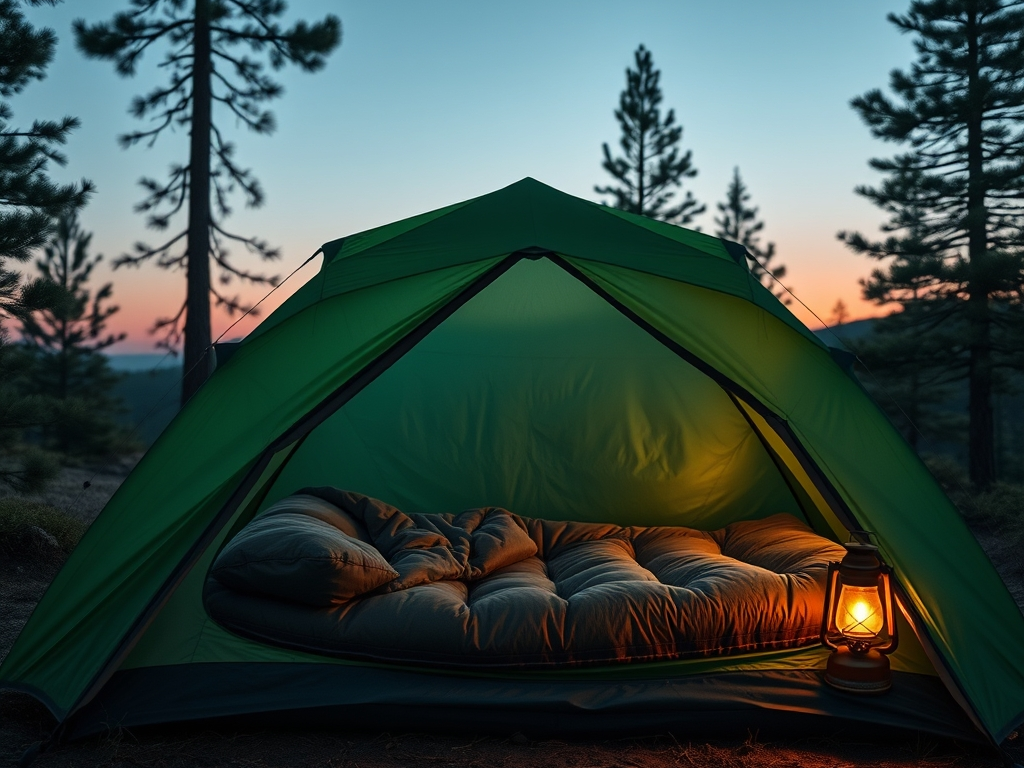
This guide breaks down what to compare before you spend, then looks at a few brands whose published catalogs are worth your time, including Exped and three alternatives. Nothing here is a score or a lab result — it is the spec and category information brands publish, organized so you can narrow the field yourself.
Start With the Sleep System, Not the Gear List
Sleeping pad, sleeping bag, and pillow work as one unit. Buying them separately without a plan is how people end up with a bag that slides off a tapered mat or a pillow that has nothing to anchor against.
Before you shop, answer three questions:
- Where will you sleep most often? A car-camping setup can trade weight for comfort. A backpacking setup cannot.
- What temperatures will you realistically see? Not the coldest night imaginable — the typical shoulder-season low for the places you actually go.
- How do you sleep? Back, side, or stomach changes the pad thickness and pillow height that will work for you.
Write those answers down. They filter the catalog faster than any marketing copy.
The Specs That Actually Change Your Night
Four numbers do most of the work.
R-value (pads). This is a measure of resistance to heat loss through the ground. Higher means more insulation. A low-value air mat is fine for warm summer nights and a poor choice for cold ground, no matter how thick it feels. If you camp in three seasons and want one pad, look for a mid-to-high R-value rather than the lightest option available.
Temperature rating (bags). Ratings describe the limit of comfort, not a guarantee. Manufacturers use different standards, so treat ratings as a comparison tool within a brand first and across brands second. If you sleep cold, build in a margin.
Weight and packed volume. These are different numbers and both matter. A pad that weighs little but packs to the size of a football is a problem in a small pack. Check packed dimensions, not just grams or ounces.
Fill and shell materials. Down insulates well for its weight and needs more care around moisture; synthetic fill tolerates damp better and generally takes up more room. Shell fabrics trade durability against weight — a lightweight shell is fine for occasional trips, less so for rough ground and abrasive rock.
Fit, Shape, and Compatibility
Fit is the most overlooked spec in camping gear.
Pad dimensions. Mummy-shaped bags pair with mummy-shaped mats; rectangular pads pair with rectangular bags or quilts. Width matters as much as length — a 20-inch pad is standard, but side sleepers often do better with a wider mat.
Bag shape and length. Bags are usually sold in regular and long sizes tied to user height. A bag that is too short compresses the footbox and loses loft right where you need it.
Backpack fit. If you are buying a pack, torso length is the measurement that matters, not overall height. Many brands publish a measuring method; follow it before ordering, and treat suspension adjustability as a comfort feature rather than a sizing shortcut.
Pillows and small accessories. A camp pillow is only useful if it stays under your head. Look at how it attaches — a sleeve, a strap, or a textured base — and how much it weighs, since pillows are where people quietly accumulate ounces.
Weather, Terrain, and Shelter Style
Shelter choice follows from terrain and season more than from brand preference.
- Freestanding tents are easier to pitch on hard or rocky ground where stakes are difficult.
- Trekking-pole and tarp shelters save weight but demand more site selection skill and practice.
- Bivy bags suit minimal, fast-and-light trips and solo sleepers who prioritize packed size over living space.
- Hammocks work well in wooded terrain and depend on trees, so they are a regional tool rather than a universal one.
For shelter, check floor dimensions against your pad, peak height against your sitting height, and whether the footprint or groundsheet is sold separately. Those are the details that decide whether a tent feels right on night three.
Storage, Small Accessories, and Long-Term Care
Dry bags, compression sacks, and storage items are cheap insurance. A dry bag for your sleeping bag costs far less than replacing a soaked down bag mid-trip, and compression sacks let you shrink packed volume when every liter counts.
Care is equally practical: store down bags and insulated pads loosely rather than compressed, keep them away from long-term heat, and follow the manufacturer’s washing instructions rather than improvising. Gear that is stored correctly lasts noticeably longer.
Brands Worth Considering
These are options to research, not a ranking. Each has a different center of gravity.
Exped
Exped describes itself as making “refined gear for adventure,” and its published catalog is organized around sleeping systems and camp shelter: sleeping mats, sleeping bags, pillows, backpacks, tents and tarps, bivy bags, hammocks, ponchos, booties, storage, and accessories. That breadth makes it a reasonable starting point if you want to build a coordinated sleep kit from one source rather than mixing shapes and attachment systems across brands. Its site also includes an about page, a responsibility section, FAQs, and a dealer locator — useful if you would rather see mats and bags in person before buying. Note that the main site directs US shoppers to a separate US online store, so check which storefront you are actually ordering from before you check out.
Best for: campers and backpackers who want a full sleep-and-shelter lineup from one brand, including less common items like bivy bags and camp booties.
Big Agnes
Big Agnes is a long-established name in camping shelter and sleep gear, and it earns a place on the same shortlist if you are comparing tents and sleep systems. Treat the brand’s own product pages as the source of truth: confirm current models, pad R-value, bag temperature rating and shape, and whether the tent you like requires a separately purchased footprint before you line it up against anything else.
Best for: shoppers who want a second reference point on tents and sleep systems before committing.
Sea to Summit
Sea to Summit’s site describes a 35-year history of designing and testing gear in Australia, and its catalog leans toward lightweight, packable camp equipment: sleeping bags, sleeping pads, camp pillows, compression sacks, dry storage, cookware, dinnerware, ultralight tents, and quick-dry towels. The small-accessory range is unusually broad, which helps if you are filling gaps rather than replacing everything at once.
Best for: backpackers and travelers who care as much about dry bags, compression sacks, and camp kitchen pieces as about the big-ticket items.
Snow Peak
Snow Peak presents itself as Japanese-designed camping gear and apparel, and its US site highlights an apparel collection alongside camp equipment, plus a loyalty program. It also advertises free domestic shipping above a stated order threshold, which is worth factoring in if you are buying multiple pieces. Style and long-term ownership clearly matter here as much as spec sheets.
Best for: campers who want gear and clothing that work together and who value design as part of the purchase.
FAQ
What R-value do I need? It depends on ground temperature and how cold you sleep. As a rough framework, low values suit warm-weather use, mid values cover three-season camping, and higher values target cold ground and winter conditions. Check the brand’s own guidance for its specific models.
Do I need an insulated pad in summer? Often yes — ground pulls heat even on mild nights, and an insulated pad is more versatile across the year.
Down or synthetic? Down for weight and packed size in dry conditions; synthetic for damp climates, budget, and easier care.
Can I use a bivy instead of a tent? Yes, if you accept limited space and are comfortable with careful site selection. It is a weight-and-simplicity trade, not a straight upgrade.
How do I check fit before ordering online? Measure your torso and height, compare them against the brand’s published size charts, and confirm return and exchange terms for your region before you buy.
Where to Go From Here
Pick your two or three non-negotiables — say, an R-value floor, a packed size limit, and a bag shape — then compare candidates against those instead of against each other’s marketing. Start with the Exped catalog to see how a full sleep-and-shelter system fits together, then check Big Agnes, Sea to Summit, and Snow Peak for the pieces where another brand does the job better. Before you order, confirm sizing, shipping, and returns for your location, and check the dealer locator if you would rather try before you buy.