
Water is the one piece of gear every outdoor activity depends on, and how you carry it shapes the whole experience. A bottle in a side pocket works fine on a short walk. On a long trail run, a full-day ride, or a powder day, it gets awkward fast. That’s the problem CamelBak set out to solve when it popularized the hands-free hydration pack, and it’s why the brand shows up on trailheads, bike paths, and ski lifts across the U.S.
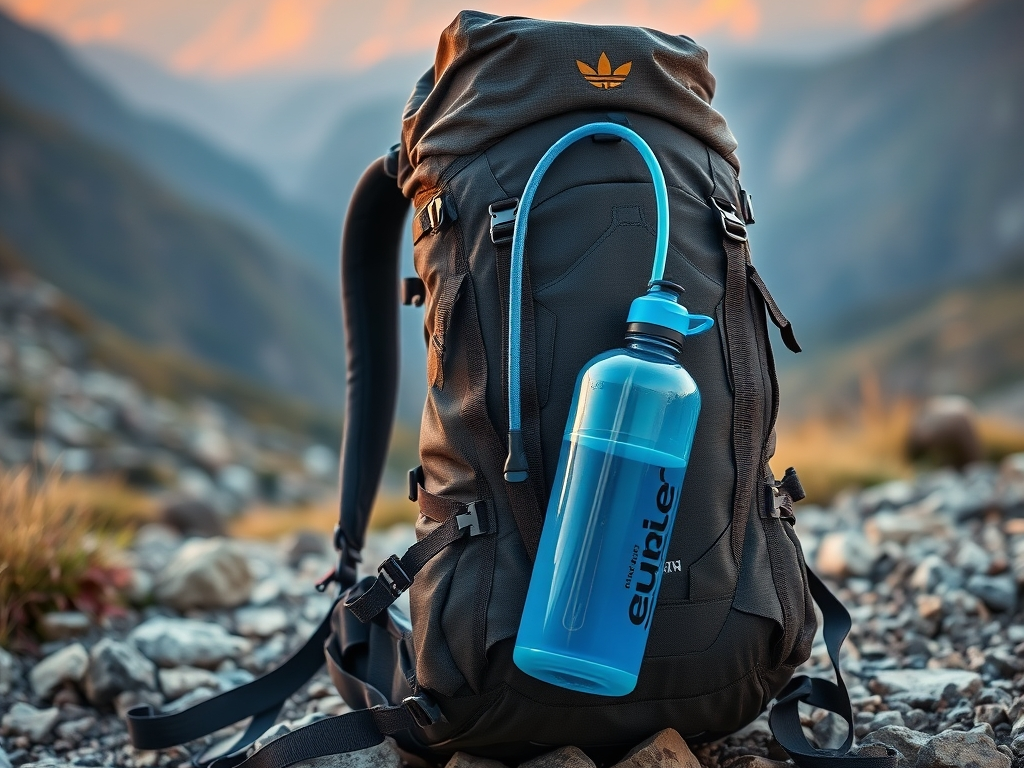
This overview is based on the brand’s published product information and general outdoors knowledge. It walks through what CamelBak sells, how the main product families differ, and how to decide which one fits your routine—without guessing at specs or prices the brand hasn’t published.
What CamelBak Actually Makes
CamelBak is best known for hydration, and its catalog is organized around that idea. The official site groups products into a few clear buckets:
- Hydration packs and vests built for specific activities, including running vests, cycling packs, and snow packs
- Bottles and travel mugs for everyday drinking and commuting
- Reservoirs and accessories, including the Crux reservoir line, that let you replace or upgrade the water-carrying part of a pack
- Kids’ packs sized for younger hikers and riders
- Tactical and military packs for duty and field use
That’s a wider range than the “water backpack” label suggests. The through-line is carrying water comfortably—whether that means a running vest that stays put, a hip-hugging cycling pack, or an insulated bottle that keeps up on a commute.
The Main Product Lines, Explained
Hydration Packs and Vests
This is the core of the brand. CamelBak separates these by activity rather than by one universal design, which matters more than it sounds. A running vest sits high and close to the body. A cycling pack is shaped to stay put when you’re bent over the bars. A snow pack is built around layers, gloves, and the stops that come with cold-weather days. Pick by the activity you do most and you’ll end up with a better fit than buying a general-purpose pack and making it work.
Bottles and Travel Mugs
For everyday use—office, gym, errands—the bottle and mug lineup covers the basics. These are the low-commitment entry point if you’re curious about the brand but not ready for a full hydration pack. They also pair naturally with packs: plenty of people carry a reservoir on the trail and a bottle for the drive home.
Accessories and Reservoirs
The accessory category is where CamelBak’s system thinking shows. Reservoirs, valves, and cleaning gear let you maintain or refresh a pack you already own instead of replacing the whole thing. If a hydration pack is sitting in the closet because the bladder got funky, check this section before buying new.
Kids’ Packs
Kids’ packs are sized and shaped for smaller frames, which is the main reason to buy from a dedicated line rather than handing down an adult pack. A pack that’s too long or too wide shifts around and gets uncomfortable fast, and uncomfortable kids stop wanting to carry anything.
Tactical and Military
This line targets field and duty use, with a more utilitarian look than the trail-focused packs. Most casual hikers won’t need it, but it’s worth knowing the brand covers that ground if you’re shopping for work or range use.
Customization: What “Custom by CamelBak” Means
One feature that stands out on the site is the personalization program. According to the brand, Custom by CamelBak offers 360° design with no minimum order and ships in days rather than weeks. In plain terms, that means you can put your own design on gear without ordering in bulk—useful for teams, clubs, event giveaways, race swag, or a gift that doesn’t look like everyone else’s pack.
If you’re considering a custom order, the practical questions are the same as any made-to-order purchase: confirm the turnaround window against your event date, check whether custom items can be returned, and order a sample first if the design matters. Treat the “ships in days, not weeks” claim as a starting point and verify it against your own deadline before you commit.
How to Choose: A Practical Buying Framework
With this many lines, the risk isn’t finding something—it’s picking the wrong thing. A few filters cut the catalog down fast.
- Start with your main activity. Running, riding, skiing, hiking, and daily commuting each point to a different pack style. Buy for the activity you do weekly, not the one you do once a year.
- Decide between a reservoir and a bottle. Reservoirs let you drink without stopping or reaching, which is why they dominate trail running and cycling. Bottles are simpler to fill, clean, and swap. Many people end up with both.
- Check the fit, not just the volume. A pack with the right capacity but the wrong shape will bounce or rub. Look at how the harness and straps are designed for your body type and layering.
- Plan for maintenance. Reservoirs need regular rinsing and thorough drying. If you know you won’t do that, a bottle-based setup may serve you better.
- Think about the whole system. A pack is only as good as its reservoir and valve. Check that replacement parts are available for whatever you buy.
Who It’s For — and Who Might Look Elsewhere
CamelBak gear tends to fit people who are active on a regular basis and want their hands free: trail runners, cyclists, skiers and snowboarders, day hikers, and commuters who’d rather sip than stop. Parents shopping for kids’ packs and organizers planning custom gear for a group are also well served by the brand’s range.
It’s a less obvious fit if you only need a simple water bottle for the desk, or if you prefer a minimalist setup and don’t want to manage a reservoir. In those cases, a basic bottle or a standard daypack with a bottle pocket may be all you need.
Buying Notes for U.S. Shoppers
A few general points worth checking before you order:
- Sale section: The site currently highlights a sale area with discounts of up to 30% off, so it’s worth browsing before paying full price on a current-season item.
- Custom lead times: For personalized gear, confirm the production and shipping window against your event date.
- Returns and warranty: Review the brand’s return window and warranty terms for the specific product line—policies can differ between stock and custom items.
- Sizing: For packs and vests, use the brand’s fit guidance and measure your torso rather than guessing from height alone.
- Care: Follow the cleaning instructions for reservoirs and bottles to get a full season out of them.
FAQ
What is CamelBak best known for?
Hydration packs and reservoirs—the hands-free water-carrying systems the brand built its reputation on. The catalog now extends to bottles, travel mugs, kids’ packs, and tactical gear.
Is a hydration pack better than a bottle?
For continuous effort like running or cycling, a reservoir lets you drink without stopping. For casual use, bottles are simpler to clean and refill. Many people use both depending on the day.
Can I customize CamelBak gear?
Yes. The brand’s Custom by CamelBak program advertises 360° design, no minimum order, and shipping in days rather than weeks. Confirm details and deadlines directly with the brand before ordering.
Do they make gear for kids?
Yes, there’s a dedicated kids’ pack line sized for smaller bodies.
How do I keep a reservoir clean?
Rinse after each use, let it dry fully with the opening propped open, and use the brand’s cleaning accessories. Replace the reservoir if it develops persistent odor or damage.
The Bottom Line
CamelBak’s strength is that it treats hydration as a system—packs, reservoirs, and bottles designed to work together for specific activities—rather than one product stretched across every use case. If you know your main activity and how much water you actually carry, the catalog narrows quickly to a sensible choice.
Ready to find your fit? Browse the current hydration packs, bottles, and accessories on CamelBak’s official site, check the sale section for markdowns, and confirm sizing and return terms before checkout. A few minutes of comparison now beats a pack that sits in the closet all season.