
A stiff lower back after a long week of training. Shoulders that never quite loosen up at a desk. Legs that feel heavy the day after a long hike. If you have ever priced out a recovery tool and then closed the tab because the options all blurred together, you are in the right place. PHYMAT builds heated therapy mats — the kind you lie on at home rather than sit under at a clinic — and the lineup mixes several different technologies under one roof. Here is a plain-language look at what the brand actually sells, how the styles differ, and how to decide whether one belongs in your routine.
What PHYMAT actually sells
PHYMAT is a wellness brand centered on heated mats and pads. Based on the company’s published catalog, the range breaks down into a few clear families:
- Far-infrared (FIR) therapy mats — the core of the lineup, sold as infrared heating pads for the full body or for targeted areas such as the back.
- Gemstone heating pads — mats built around natural stone, with amethyst and tourmaline as the two named options.
- PEMF therapy mats — mats the brand describes as using pulsed electromagnetic field technology.
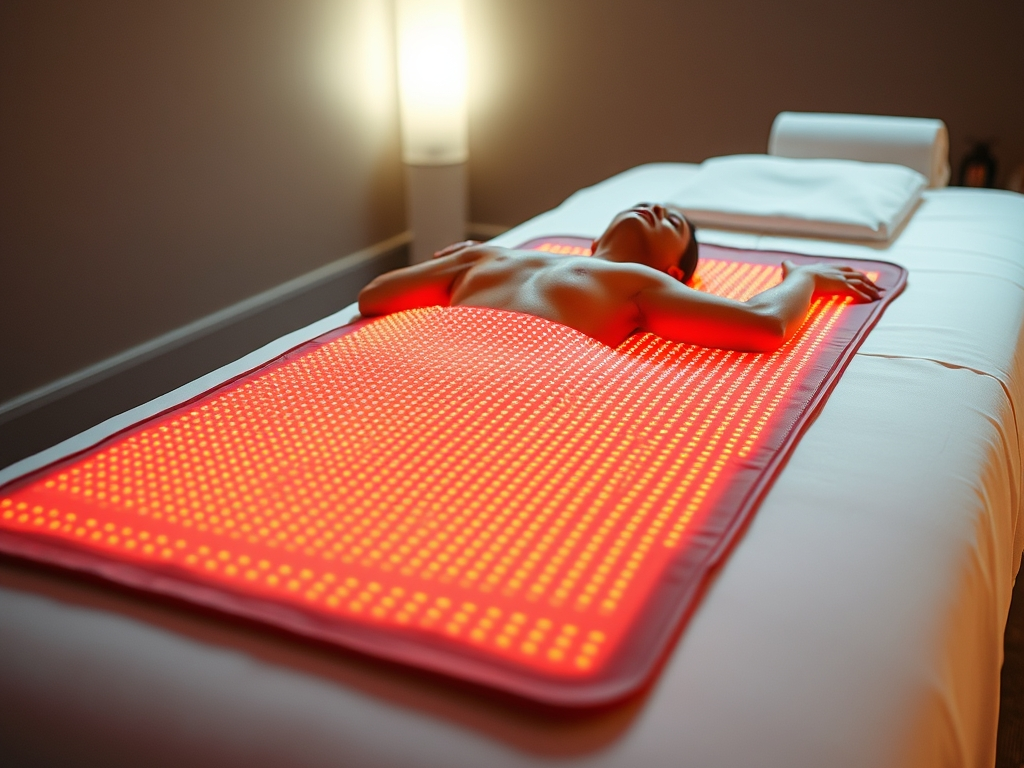
- Red light therapy mats — a separate category from the FIR pads, aimed at buyers who specifically want light-based sessions.
- Chakra biomats — a gemstone-and-heat option positioned around a different framing than the standard heating pads.
The brand also sells attachments, which matters more than it sounds: if you already own a base mat, add-ons can extend the areas you can cover without buying a whole second system.
FIR, PEMF, and red light: how the categories differ
These three names get used loosely online, so it helps to separate them.
Far-infrared heating pads are the most familiar category. The mat warms up and you lie on it. What distinguishes FIR from a drugstore heating pad is how the heat is delivered and how the surface is built — gemstone mats use stone layers rather than a plain fabric cover, and the brand markets the experience around deep, even warmth rather than a hot spot against the skin.
PEMF mats are a different proposition. Instead of relying on warmth alone, the brand describes these as delivering pulsed electromagnetic fields during a session. That is a meaningfully different use case, and it is the category where buyers tend to do the most homework before committing.
Red light therapy mats sit apart from both. If your interest is specifically in light exposure rather than heat, this is the line to look at, and there is no reason to pay for a heating pad first.
A quick way to sort it: choose FIR if warmth is the whole point, PEMF if you want the brand’s electromagnetic approach, and red light if light is what you came for. The brand’s own category pages are the place to confirm what each specific model includes.
Amethyst vs tourmaline: does the stone matter?
PHYMAT splits a chunk of its gemstone lineup into amethyst and tourmaline, and shoppers reasonably wonder whether that is a real distinction or a color choice. The honest answer from published information: the two stones are different materials with different visual character, and the brand markets them as separate collections with their own product pages. What the stone choice does not do is change the basic job of the mat — you still lie on it, you still run a session, you still follow the manufacturer’s timing and temperature guidance.
Practically, pick on the details you can verify: mat dimensions, how the heat controls work, whether the cover is removable or washable, session timer settings, and how the mat stores when folded. Those determine daily satisfaction far more than the stone name does. If two mats look similar and one costs more, the difference is usually in size, controller features, or stone coverage — worth checking line by line rather than assuming the pricier one is automatically better for you.
Full body or targeted: match the mat to the area
PHYMAT organizes part of its catalog by treatment area, which is a useful shortcut. A full-body heating pad is the choice if you want to lie down and cover the back, shoulders, and legs in one session — it takes up floor or bed space and needs somewhere to live when not in use. A back-specific pad is the better fit if your routine is short, focused sessions and you would rather drape or position something than commit to a full-length mat.
Be realistic about your space and your patience. A large mat that stays folded in a closet helps nobody. If you have a dedicated spot near a couch or bed, full body makes sense; if you are working with a small apartment, a targeted pad plus an attachment may serve you better.
Who these mats suit — and who should look elsewhere
These products tend to appeal to people who already have a recovery habit and want a home option: regular gym-goers, runners, hikers, cyclists, and desk workers dealing with everyday muscular tightness. They also suit anyone who prefers lying down quietly to another screen-based routine.
They are a weaker fit if you want a device with a formal medical indication, if you expect a single session to change anything long term, or if you are not going to use it consistently. And they are not a substitute for professional care. The brand frames its mats around pain relief and recovery; those are marketing descriptions, not clinical promises.
Before you buy, check with a healthcare professional if you are pregnant, have a medical condition, use an implanted electronic device, or take medication that affects sensation. Heating and electromagnetic products are not appropriate for everyone, and the manufacturer’s safety instructions should be followed exactly as written, including session length and temperature limits.
Practical buying notes
A few things worth confirming on the site before checkout:
- Shipping: the brand lists free shipping on U.S. orders over US$50, so smaller attachments and full mats are treated the same way once you clear the threshold.
- Payment: Afterpay is listed as an option, which spreads cost over installments rather than one charge.
- Promotions: PHYMAT runs seasonal sales events, so if you are not in a hurry, it is worth watching the current offer before ordering.
- Returns and warranty: read the brand’s own policy pages before you buy, since terms can differ by product type and condition.
- Voltage and plug type: U.S. orders ship with U.S. specifications; buyers outside the U.S. should confirm compatibility before ordering.
FAQ
Do I need more than one mat? For most people, no. One mat matched to your main treatment area covers the routine. Attachments make more sense than a second full mat.
Can I use a heating mat every day? Follow the brand’s instructions for session length and frequency rather than making up your own schedule, and check with a professional if you have any health concern.
Is the gemstone version worth the upgrade? Compare dimensions, controller features, and cover care between the specific models you are considering. If those match, you are choosing on stone preference.
Will it replace physical therapy? No. Think of it as a comfort and recovery tool alongside professional care, not instead of it.
Where to start
If you have read this far, you probably already know which category fits: warmth, electromagnetic, or light. Head to PHYMAT’s shop and filter by therapy type first, then by treatment area, and compare two or three models on size, controller features, and cover care before you commit. Check the current shipping offer and payment options at checkout, read the safety guidance in full, and if anything about your health situation gives you pause, talk to a qualified professional before your first session.
This article is general information only and is not medical advice. Follow the manufacturer’s instructions and talk to a qualified professional if you have health concerns.