
Eyewear is one of those purchases where the wrong pick follows you around: a lens that washes out on a shaded descent, a frame that fogs the moment you stop moving, or goggles that leave a gap against your helmet on a cold chairlift ride. If you ride, run, or spend winter on snow, the brand you choose shapes how much you actually see — and how often you reach for the gear at all.
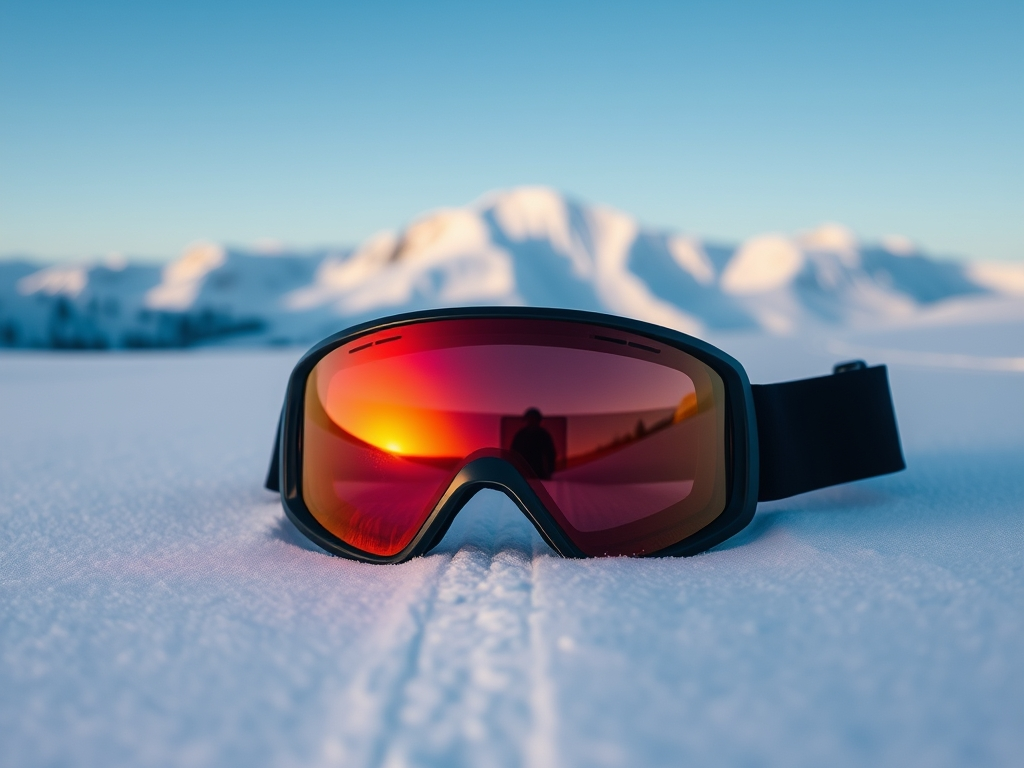
This comparison is for active adults who want to spend once and spend well. It looks at three names that come up constantly in that conversation: Oakley, Anon, and Smith Optics. Each has a different center of gravity. Oakley builds performance sunglasses first and apparel alongside them. Anon is a snow-first brand built around goggles, helmets, and its magnetic lens system. Smith Optics sits across both worlds, selling sunglasses, goggles, and helmets under one roof. Below is a side-by-side look at what each one actually offers, drawn from the brands’ published product information, plus guidance on matching a brand to your sport rather than to marketing.
The quick comparison
| Brand | Best for | Main products | What stands out | Things to check |
|---|---|---|---|---|
| Oakley | Cyclists, runners, and multi-sport athletes who want one pair of sunglasses that works hard across bright, changing conditions | Performance sunglasses, lifestyle sunglasses, sports apparel | Prizm lens technology with tints tuned for specific environments, plus durable O-Matter frame construction | Whether the frame sits comfortably under your helmet or hat, which Prizm tint suits your light conditions, and whether your prescription is offered in the model you want |
| Anon | Snowboarders and skiers who swap lenses often and want goggles and helmet to work as one system | Snow goggles, helmets, MFI face masks and lens system | MFI (Magnetic Face Integration) lets the lens and face mask attach magnetically, and the lineup is designed around helmet-goggle pairing | Goggle-to-helmet fit across brands, which lens tint matches your local snow and light, and how easy spare lenses are to find |
| Smith Optics | Skiers, riders, anglers, and runners who prefer to buy goggles, sunglasses, and helmets from a single brand | Sunglasses, snow goggles, helmets, prescription eyewear | ChromaPop lens technology, MAG magnetic lens-change systems on several goggle lines, and helmet lines that incorporate Koroyd and MIPS according to the brand | Which lens-swap system a specific model uses, whether a helmet includes the protection features you want, and how the frame fits your face shape |
Oakley: Prizm lenses for athletes who train in bright light
Oakley’s reputation in sport comes from two things: lens tinting and frame durability. The brand’s Prizm lens technology is built around contrast rather than simple darkening — the tints are tuned for specific environments, so a trail-running lens emphasizes the textures and roots you need to read, while a road-cycling lens is aimed at asphalt and changing light. That matters more than raw darkness for anyone moving fast through mixed shade and sun.
On the frame side, Oakley’s O-Matter material is a lightweight, impact-resistant nylon that shows up across both its performance wrap frames and its lifestyle shapes. In practice, that means a pair designed for cycling or running can take knocks in a gym bag and still hold shape, and the wrap-style models are shaped to keep wind and sweat out of your field of view. The brand also sells sports apparel alongside the eyewear, which is useful if you prefer to kit out from one place.
Oakley is the strongest fit here if sunglasses are your primary need and you want a single pair that covers training and everyday wear. The thing to think through before buying is fit under a helmet: performance wraps tend to be the safer bet for cycling and skiing, while lifestyle shapes suit casual wear better. If you need prescription lenses, confirm availability in the specific model rather than assuming it.
Anon: goggle-first gear for riders who swap lenses a lot
Anon’s catalog is deliberately narrow: snow goggles, helmets, and the MFI system that ties them together. MFI, short for Magnetic Face Integration, is the brand’s signature idea — the lens and the face mask attach magnetically to the goggle frame, so you can pull the mask off on a lift without wrestling with a balaclava, and swap lenses quickly when the light changes.
That design focus makes Anon a natural pick for snowboarders and skiers who ride in variable light and hate fiddling with lenses with cold hands. The brand builds its goggles to pair with its own helmets, which reduces the gap-and-draft problem that shows up when you mix brands. Lens offerings across the range cover the usual spread of low-light, mixed, and bright-sun conditions.
Where Anon differs from the other two brands here is scope. It is a snow-sports brand, not an all-season eyewear brand, so if you also want sunglasses for summer road rides or trail runs, you will need a second purchase from somewhere else. For dedicated riders who want one well-integrated goggle-and-helmet setup, that narrowness is a feature rather than a limitation.
Smith Optics: one brand across goggles, sunglasses, and helmets
Smith Optics is the widest-ranging option of the three, and it is the easiest to build a full kit around. The brand sells sunglasses and snow goggles, helmets for snow and bike use, and prescription eyewear — so a skier who also runs and rides can stay within one ecosystem and often within one lens philosophy.
That philosophy is ChromaPop, Smith’s contrast-enhancing lens technology, which appears across both sunglasses and goggles. On the goggle side, the brand’s MAG models use magnetic lens-change systems, and the 4D MAG line is built around an extended field of view. Smith’s helmet lineup incorporates Koroyd and MIPS in many models, per the brand’s own descriptions — worth reading model by model if protection features are your priority.
The tradeoff is choice overload. Smith’s range is deep enough that two goggles at similar price points can differ in lens-swap system, lens shape, and helmet compatibility. If you go this route, decide on your lens-change preference and helmet first, then narrow the goggle list — the reverse order tends to produce returns.
How to choose
- You mostly ride or run in sun and want one pair of sunglasses: Oakley. Prizm tints are tuned per environment, and the O-Matter frames hold up to daily abuse.
- You snowboard or ski and change lenses often: Anon. The MFI system is built for exactly that, and the goggle-helmet pairing is designed in.
- You want goggles, sunglasses, and a helmet from one brand: Smith Optics. ChromaPop carries across categories, which keeps the visual experience consistent.
- You split your year between snow and pavement: Smith Optics covers both categories; Oakley covers the sun side well and adds apparel; Anon stays on snow.
None of these brands is the right answer for everyone, and the differences that matter most are fit and lens tint for the conditions you actually ride in. Try frames on with your helmet if you can, and check the return window before ordering online.
FAQ
Do these brands sell prescription versions? Oakley and Smith Optics both publish prescription options across parts of their eyewear ranges; availability varies by model. Anon’s lineup centers on non-prescription snow goggles, so check current product pages if that is a requirement.
Are magnetic lens systems secure in a crash? Magnetic systems are designed to hold during normal riding and impact, but follow each brand’s instructions on seating the lens correctly. Ask the brand directly if you have specific safety questions.
Can I mix an Anon goggle with a Smith helmet? You can, but goggle-to-helmet fit is the most common source of drafts and gaps. Staying within one brand’s ecosystem is the simpler path.
Where to start
Pick the sport you spend the most hours on, then buy for that. Runners and cyclists should head to Oakley’s performance sunglass range and check the Prizm tint options against their typical light. Snow riders who swap lenses mid-day should look at Anon’s MFI goggles alongside a matching helmet. If you want one brand for the whole year, start with Smith Optics and work from the helmet outward. Check each brand’s fit guidance and return policy before you order, so the first pair you buy is the one you keep.