
The wrong pair of shoes can turn a cold morning hike or a wet trail run into a slip-and-slide. The right pair should feel secure on the surfaces you actually use, fit well enough to avoid blisters, and match the season rather than just the look. This guide is for active adults comparing outdoor footwear and technical gear without relying on brand hype. It covers what to check before you buy, then outlines how Icebug, Altra, Topo Athletic, and Inov-8 fit into different outdoor routines.
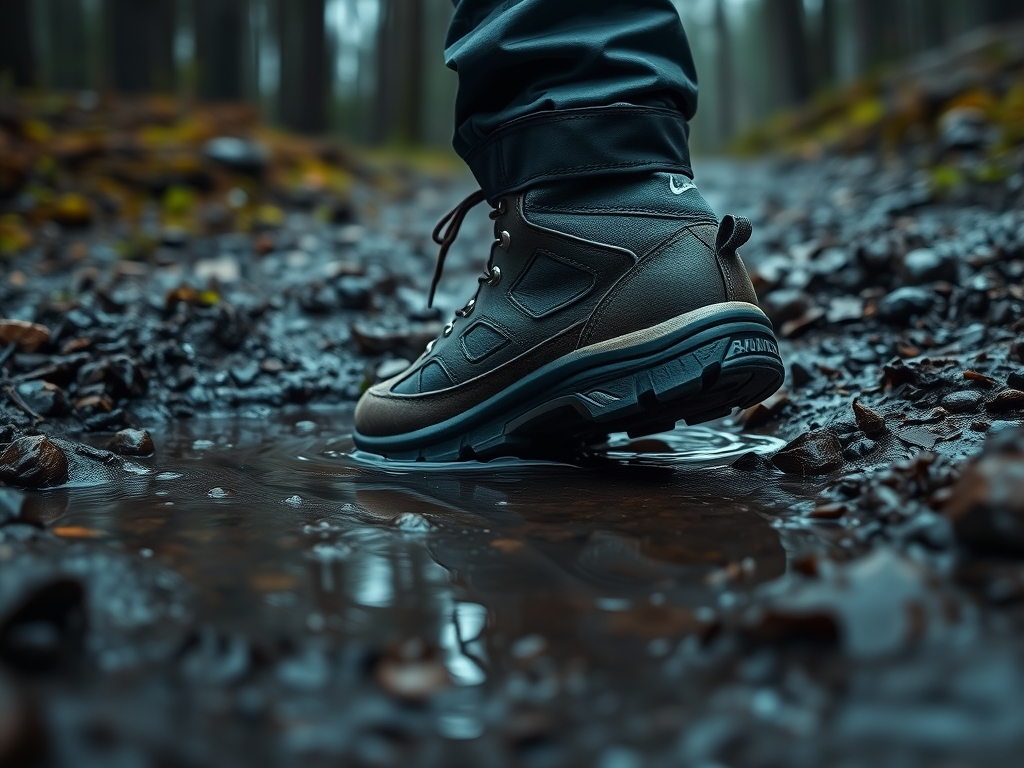
Match the Shoe to the Surface and Season
Start with where you will wear the shoe most often. A shoe built for pavement will feel different from one intended for gravel, roots, mud, or packed snow. Think about whether you need a daily trainer, a hiking shoe, a winter commuter, or a mixed-use option. If you split your time between road and trail, look for a model that does not feel unstable on either surface. If you mainly walk on wet sidewalks or icy paths, traction and weather protection matter more than lightweight racing feel.
Season matters too. A breathable summer shoe may be miserable in cold rain, while a heavily insulated shoe can overheat on mild days. The goal is not to own every category, but to choose one or two pairs that cover the conditions you meet most often.
Check Fit, Toe Box, and Lockdown
Fit is the most practical filter. A roomy toe box can help your toes spread naturally, but too much volume can let your foot slide. A secure heel and midfoot should hold you in place without pinching. Try shoes later in the day when feet are slightly larger, and wear the socks you plan to use outdoors. If you order online, compare your measurements with the brand’s size chart rather than assuming your road shoe size carries over to every model.
Pay attention to how the shoe feels on uneven ground. A shoe that feels fine on a flat floor may reveal pressure points when you flex or turn. For hiking and winter use, leave a little room for thicker socks without creating a loose fit.
Prioritize Traction and Outsole Design
Traction is not one feature; it is a combination of rubber compound, lug depth, and tread pattern. Deep, widely spaced lugs shed mud and grip loose ground. Smaller, denser tread can feel smoother on pavement. For wet or icy conditions, the outsole deserves extra attention because no upper or cushioning can make up for poor grip.
Read how the brand describes the intended surface, then match it to your routine. A trail shoe with aggressive lugs may feel clunky on city sidewalks. A smooth road shoe may struggle on muddy paths. If you often cross mixed terrain, choose a middle ground and accept that it will not be perfect everywhere.
Weigh Weather Protection Against Breathability
Water-resistant uppers and sealed seams can keep out splashes and light rain, but they also reduce airflow. Fully waterproof shoes are useful for wet commutes and cold slush, yet they can feel warm on long efforts. Breathable mesh dries faster in summer but offers less protection from wind and rain.
For cold-weather outings, think about layering: a thin synthetic or wool sock can add warmth without forcing you into an overly insulated shoe. For wet days, consider whether you need a fully waterproof shoe or just a quick-drying one. The answer depends on how long you stay out and how often your feet get wet.
Think About Durability, Support, and Replacement Timing
Outdoor footwear takes abuse from grit, water, and repeated flexing. Check the toe bumper, heel counter, and outsole edges for signs of construction quality. A rock plate or firmer midsole can protect feet on rough ground, while a softer ride may suit easier paths. There is no single best setup; the right balance depends on your weight, pace, and terrain.
Replace shoes when the outsole is worn smooth, the midsole feels collapsed, or the upper no longer holds your foot securely. Keeping a worn pair for wet, slippery days is a false economy if traction has gone.
Read the Return and Sizing Details Before You Buy
Online shopping makes fit harder, so check the brand’s sizing guide, return window, and warranty terms before checkout. Policies can vary by country and model. If you are between sizes, do not guess blindly; use the published measurements and customer support. Also confirm shipping costs and delivery estimates for your location, especially if you need the shoes for a specific trip.
Icebug: A Shoe-Focused Starting Point
Icebug’s webshop describes itself as offering the largest selection of Icebug shoes, so it is a natural place to compare the brand’s footwear lineup. That shoe-first focus is useful if footwear is your main purchase and you want to study fit, traction, and seasonal use before adding other outdoor gear. When comparing Icebug options, look closely at the intended surface, the outsole description, and the upper’s weather protection. Icebug is worth considering if you want a dedicated shoe selection rather than a broad catalog where footwear is one small category.
Altra: For Runners and Hikers Who Want a Roomy Fit
Altra’s site highlights running shoes with FootShape comfort and organizes shoes across road, trail, and hiking categories. That makes Altra a reasonable option for runners and hikers who prioritize a roomier toe area and a natural-feeling fit. If you split your time between pavement and dirt, compare the brand’s road and trail offerings rather than assuming one model covers both. Check the fit carefully, especially if you are moving from a more traditional shoe shape.
Topo Athletic: For Shoppers Who Want a Trial Window
Topo Athletic lists road, trail, hike, and recovery categories, and it advertises a 30-day risk-free trial plus free ground shipping on qualifying orders. That trial period can be useful if you are unsure about sizing or want to test a shoe around the house before committing. Topo is a practical brand to consider if you want a versatile outdoor lineup and value the ability to evaluate fit with less pressure. Confirm the trial terms and shipping details that apply to your order.
Inov-8: For Mixed Run, Gym, and Hike Use
Inov-8 organizes its site around run, gym, and hike categories, which suits people who train across different environments rather than sticking to one discipline. If your week includes trail runs, gym sessions, and weekend hikes, Inov-8 is worth comparing alongside more specialized brands. Look at the intended use for each model and avoid choosing a shoe built for one activity if you need it to handle several.
A Simple Gear Checklist for Cold and Wet Days
Once footwear is sorted, build the rest of your kit around the conditions. A light shell layer helps with wind and rain, while synthetic or wool socks manage moisture better than cotton. For winter outings, carry traction aids if the terrain may be icy, and pack a dry layer for the trip home. Technical gear should solve a specific problem; avoid buying extra equipment you will not use regularly.
FAQ
Do I need different shoes for road and trail?
Not always, but it helps if you run or hike often on both. A mixed-use shoe can work for light trails, while aggressive trail shoes may feel slow on pavement.
How do I choose between waterproof and breathable shoes?
Choose waterproofing if wet conditions are common and you will be out for long periods. Choose breathable shoes if you run hot or mostly face dry weather.
When should I replace outdoor shoes?
When the tread is worn smooth, the midsole feels flat, or the upper no longer holds your foot securely. Do not wait for a hole to appear if grip has already gone.
Where to Start: Build Your Kit Around the Conditions
Start with the terrain and weather you actually meet, then compare fit, traction, and protection. Icebug is a focused place to begin if you want to compare a shoe-centered outdoor lineup, while Altra, Topo Athletic, and Inov-8 offer different fits and use cases to weigh against it. Visit Icebug’s site, review the sizing and return details, and choose the pair that matches your real outdoor routine rather than the most dramatic marketing claim.