
Buying a bike gets easier once you stop staring at model names and start with the riding you actually do. The surface under your tires, the length of your typical ride, how often you ride, and where the bike will live between rides narrow the field faster than any spec sheet. This guide covers the decisions that matter, then explains where four brands — Orbea, Bianchi, BMC, and Merida — fit on a shortlist based on their published product information.
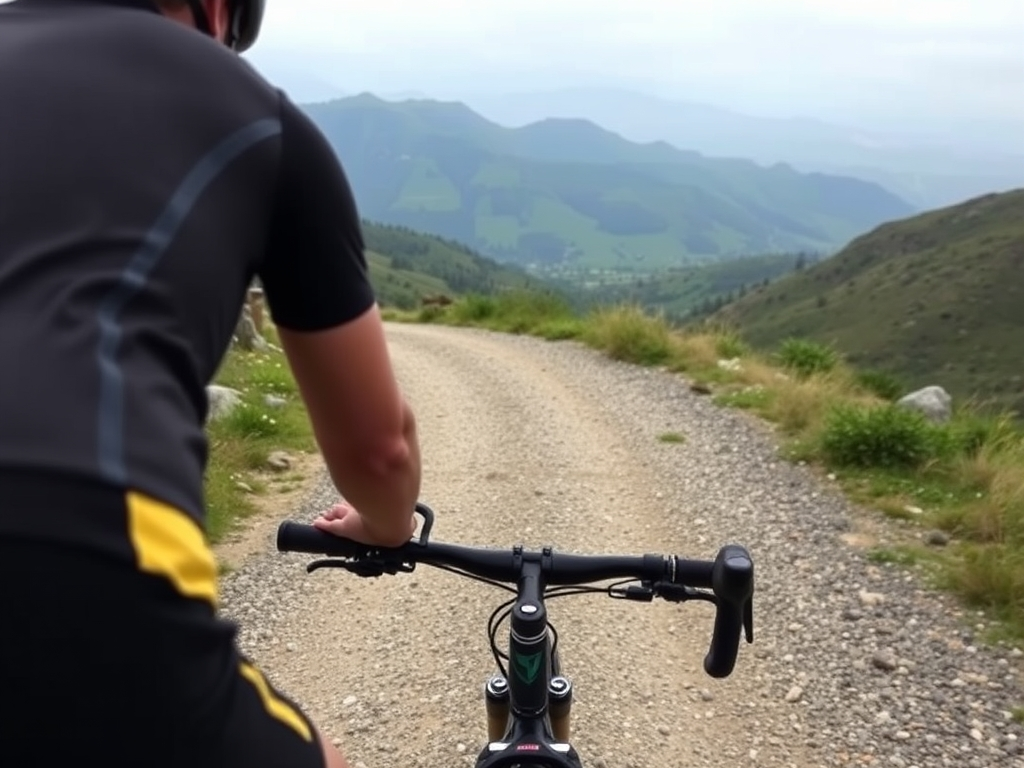
Start With the Riding, Not the Model Name
Before comparing components, answer four practical questions.
- What surface? Paved roads, mixed gravel and dirt, or trails with roots and rocks. Each points to different geometry, tire clearance, and gearing.
- How long and how often? A short daily commute and a long weekend ride reward different priorities. Frequent short rides favor comfort and low maintenance; longer rides favor fit, gearing range, and weight.
- How much climbing and cargo? Steep hills and loaded rides make gearing range more important than a few grams of frame weight.
- Where will it be stored and serviced? A bike that is hard to carry upstairs or difficult to service locally tends to get ridden less.
Write those answers down. They will eliminate more options than any marketing claim.
Six Things Worth Checking Before You Spend
1. Fit and sizing come first
A well-equipped bike that does not fit is a bad bike for you. Check frame size charts, stack and reach figures, and standover height. If you are between sizes, ask which direction the brand recommends and whether stem or saddle changes can close the gap. A professional fit session after purchase is often the highest-value money you will spend on a new bike.
2. Geometry should match the discipline
Road bikes split into aero-oriented frames and endurance frames with a more upright position. Gravel bikes sit between road and mountain bikes, usually with wider tire clearance and more stable handling. Cross-country mountain bikes prioritize efficiency and light weight; trail bikes prioritize suspension travel and confidence on descents. Buying a race-bred geometry for casual weekend paths is a common and expensive mismatch.
3. Brakes and gearing matter more than gear count
Hydraulic disc brakes are the standard on anything meant for real-world conditions, including wet weather and long descents. For gearing, look at the range rather than the number of gears. A wide cassette and a compact or sub-compact crankset make steep terrain far more manageable.
4. Wheels and tire clearance keep a bike useful
Clearance is the spec that keeps a bike relevant for years. A frame that accepts wider tires can be set up for comfort and grip now and for rougher terrain later. Wheelset quality also affects ride feel more than most people expect.
5. Motor and battery, if you are going electric
On e-bikes, check motor placement, battery capacity, and how the battery is removed or charged. Consider the weight of the complete bike if you will lift it onto a rack or carry it upstairs.
6. Support, warranty, and assembly
Check warranty terms, whether the bike ships partially assembled, and whether a local shop can service the brand. These details matter more than a small weight difference. For U.S. shoppers, also confirm the return window and who covers return shipping before ordering online.
Where Orbea Fits on a Shortlist
Orbea’s published lineup is organized around distinct model families rather than one catch-all range. Trail riders are pointed toward the Wild TR, described as trail power. The Oiz is presented as a cross-country platform built for speed. The Carpe is positioned around fit and comfort. The Orca Aero is the brand’s aero road platform, and Terra covers gravel.
That structure is useful when you shop: pick the family that matches your surface first, then compare component levels within it. Orbea also emphasizes a broad customization approach — the site’s message is that riders choose how they ride, how far they go, and how hard they push, which in practice means paying attention to build options rather than accepting a single off-the-peg spec.
Orbea is worth a closer look if you want a clear choice between cross-country, trail, aero road, and gravel platforms and you care about configuring the build. Look elsewhere first if you want the simplest possible single-model decision.
Where Bianchi Fits on a Shortlist
Bianchi has been building performance bicycles since 1885, according to its own site, and its catalog is organized by discipline in a way that is easy to navigate: aero road (Oltre), all-rounder road (La Nuova Specialissima, Infinito, Sprint), time trial and triathlon (Aquila RC), cyclocross (Zolder Pro), and gravel split into racing (Impulso) and adventure (Arcadex) models.
This is a deep road-oriented lineup. If your riding is mostly paved and you want to compare an aggressive aero position against a more forgiving all-rounder geometry, Bianchi’s published categories make that comparison straightforward.
Bianchi is worth a closer look if road performance is your priority and you like a heritage-driven design language. Look elsewhere first if your riding is mostly off-road or you want a single bike that covers as much terrain as possible.
Where BMC Fits on a Shortlist
BMC describes itself as a premium performance bicycle brand, and its site organizes bikes into road, gravel, mountain, track, and e-bike groups. Road splits into racing (Teammachine), endurance (Roadmachine), and aero or triathlon (Speedmachine, Timemachine). Gravel splits into performance (Kaius) and exploration (URS). Mountain is represented by the Fourstroke and Twostroke cross-country platforms, and the AMP line covers road, gravel, and mountain e-bikes.
The most useful detail here is the explicit split between performance and exploration in both road and gravel. That is a real distinction — one favors a lower, faster position, the other favors stability, comfort, and load capacity.
BMC is worth a closer look if you want clearly separated performance and endurance options and you are considering an e-bike alongside a traditional build. Look elsewhere first if you are shopping at the entry level, since the brand positions itself in premium performance territory.
Where Merida Fits on a Shortlist
Merida’s site is organized around activity tags rather than a single flagship model. On the e-bike side it lists city and trekking options such as the eSPRESSO and eBIG.TOUR, mountain platforms like the eONE-EIGHTY and eBIG.NINE, gravel in the eSILEX, and urban-focused models like the eSPEEDER and LITHOS. Its non-electric mountain range includes the ONE-TWENTY, ONE-FORTY, and ONE-SIXTY, which correspond to increasing suspension travel.
That breadth is the point. If your riding is a mix of commuting, path riding, and occasional trails, Merida’s catalog covers more of that ground in one place than a road-only or trail-only lineup does.
Merida is worth a closer look if you want a wide spread of categories including e-bikes and everyday riding. Look elsewhere first if you want a narrow, race-focused selection.
Do Not Forget the Kit
Bikes get the attention, but contact points and safety gear decide whether you actually enjoy riding. Budget for a properly fitted helmet, cycling-specific footwear or flat pedals with grippy shoes, padded shorts or liners for longer rides, and lights if you will ever ride near traffic. Buy the helmet and shoes from a source that lets you confirm fit — sizing varies by brand and a poor fit is worse than no upgrade at all.
FAQ
Should I buy the cheaper model and upgrade later? Sometimes. Frames and brakes are expensive to change; saddles, tires, and pedals are not. Prioritize the frame platform and brake type, and treat wheels and contact points as future upgrades.
Is an e-bike worth it for fitness riding? Many riders use pedal-assist bikes to ride farther or keep up on group rides. Check local rules on where e-bikes are permitted on trails before you buy.
How do I compare brands without test riding everything? Compare geometry numbers, tire clearance, brake type, and gearing range. Those four specs predict how a bike will feel far better than marketing copy.
Do I need a professional bike fit? It is not mandatory, but it is the most reliable way to avoid discomfort on longer rides, and it is easier to justify once you have confirmed the frame size is right.
Next Step
Pick the surface you ride most, match it to a discipline, then compare two or three models within that category on geometry, clearance, brakes, and gearing. When you are ready to look at the details for yourself, start with the model families and build options published at orbea.com, then hold the other three brands against the same checklist.