
Most gear mistakes don’t happen on the trail. They happen at checkout: buying a jacket that fights your midlayer, shoes built for the wrong terrain, or a pack sized for somebody else’s trip. Salewa is an Italian mountain sports brand that builds across the full stack — clothing, footwear, backpacks, and climbing equipment — which makes it a useful brand to study if you want a kit that actually works together.
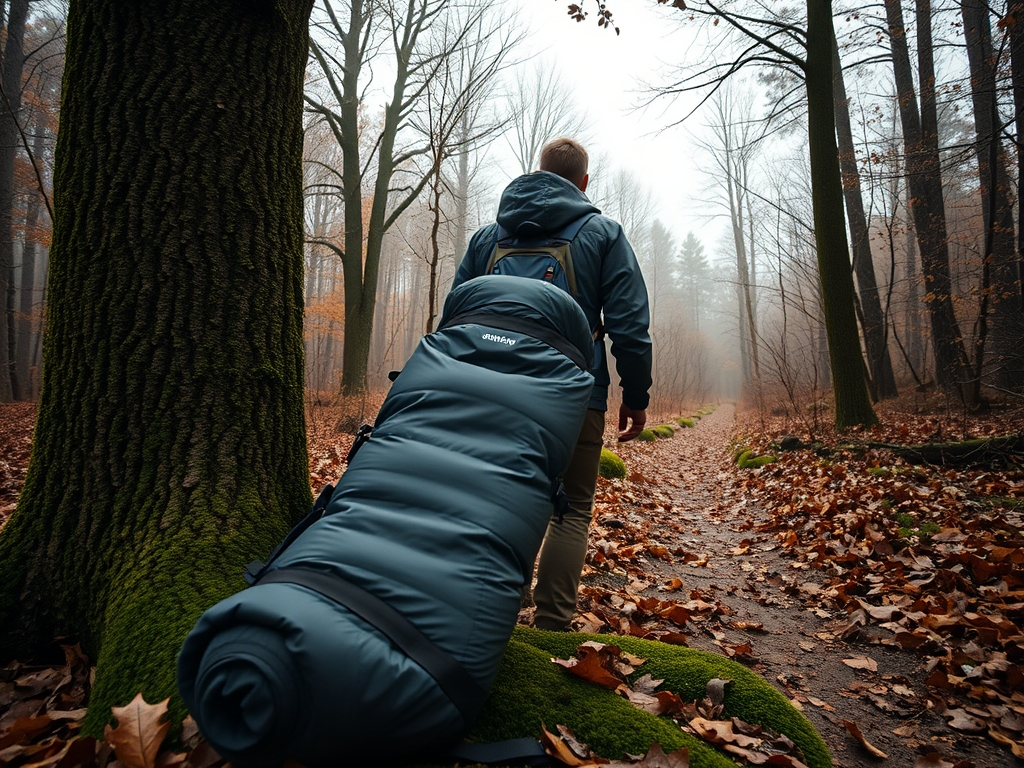
Here’s a practical walkthrough of what the brand offers, based on its published product lineup, plus the questions worth answering before you spend.
What Salewa Actually Makes
The lineup is organized around men’s and women’s collections plus equipment, and it covers more ground than a lot of shoppers expect from a mountain brand.
Apparel breaks down into clear layers:
- Jackets: hardshell, insulated and down, softshell, and vests
- Bottoms: hardshell, softshell, and shorts
- Midlayers and shirts: fleece, hoodies and sweaters, and shirts
- Baselayers: long-sleeve baselayers and T-shirts
- Accessories: gloves, beanies and caps, headbands, and neck tubes
Footwear is split by terrain rather than by fashion: mountaineering shoes, hiking shoes, light hiking shoes, and approach shoes. There are dedicated new-in and sale sections for footwear as well.
Equipment covers backpacks, climbing equipment, and complementary equipment — the hardware and accessories that round out a rack.
The brand also organizes shopping by activity: hiking, climbing, light hiking, mountaineering, ski touring, and what it calls alpine life. That structure is genuinely useful, because it lets you start from the trip you’re planning instead of from a category name.
Making Sense of Jackets and Bottoms
If you’ve ever stood in front of a wall of shells wondering why there are four kinds of “waterproof-ish,” this is the part worth slowing down for.
Hardshells are the outer barrier. You want one when wind and wet weather are the main problem and you’ll be wearing it over other layers. They’re the least breathable-feeling layer in the mix, so fit matters — you need room for a midlayer without so much excess fabric that it moves around in wind.
Softshells are the flexible middle ground. They handle wind, light precipitation, and abrasion better than a fleece, and they breathe better than a hardshell. For cool, dry, high-output days, many people reach for a softshell far more often than a hardshell. Salewa offers softshell jackets and softshell bottoms, which is handy if you prefer a consistent fabric system top to bottom.
Insulated and down jackets are your warmth layer — worn over a baselayer and midlayer when you stop moving, or as the main outer layer on cold dry days. The practical question here is packability versus damp-weather performance: down tends to compress smaller, while synthetic insulation generally handles wet conditions better.
Vests occupy an underrated slot: core warmth without sleeve bulk, which is useful for climbing where you need arm mobility.
For bottoms, the same logic applies. Hardshell bottoms for sustained wet weather, softshell bottoms for cold-weather movement, shorts for warm-season hiking and approach work.
A simple checklist before buying any of it: What’s my coldest expected temperature? How wet does it get where I go? Will I be moving hard enough to sweat? Answer those three and most of the catalog narrows itself.
Footwear: Match the Shoe to the Terrain
Salewa’s footwear naming maps closely to use, which makes comparison easier than decoding marketing terms.
- Mountaineering shoes are built for snow, rock, and mixed ground where stiffness and edge control matter.
- Hiking shoes are the general-purpose option for established trails and longer days with a loaded pack.
- Light hiking shoes suit faster, lighter trips — day hikes, well-graded trails, warm weather.
- Approach shoes are the bridge between trail and rock, designed for the hike to the base of a climb and light scrambling.
If you only hike maintained trails in mild conditions, a light hiking shoe is usually the smarter, lighter buy. If you’re regularly on scree, snow, or rough off-trail ground, the extra support of a hiking or mountaineering shoe earns its weight. Approach shoes make sense for climbers and scramblers — less so for someone who never leaves the trail.
One note specific to this category: technical footwear is built around specific last shapes and stiffness profiles, so a shoe that feels great in the store may behave very differently once you’re carrying weight on uneven ground. Read the intended-use description on each model page rather than assuming the brand’s sizing and fit carry across categories.
Packs, Climbing Gear, and the Supporting Kit
Beyond apparel, Salewa sells backpacks, climbing equipment, and complementary equipment. When comparing packs, focus on three things the brand’s own activity pages hint at: volume relative to trip length, whether the harness matches your torso measurement, and whether you need rope or gear carrying features at all. A climbing-specific pack with a rope strap is dead weight on a day hike.
For anyone assembling a first rack, buying hardware from a brand that also makes the clothing and packs is convenient — one place to check compatibility, one place to buy — but it isn’t a requirement. Compare individual items on their own merits, and treat activity categories as a starting filter rather than a promise that everything in one bucket is right for you.
Who Salewa Suits — and Who It Doesn’t
A good fit if you:
- Spend time in actual mountain terrain — hiking, climbing, mountaineering, or ski touring
- Prefer building a layered system rather than buying one do-everything jacket
- Want men’s and women’s options across clothing, footwear, and equipment in one place
- Like the idea of an Italian alpine brand with a published sustainability section
Maybe not the best fit if you:
- Mainly need casual everyday outerwear — mountain-specific construction can be more than you need
- Want a single shoe for gym, street, and trail; the footwear is terrain-specific by design
- Are shopping strictly on lowest price rather than on fit and layering compatibility
Practical Buying Notes for US Shoppers
A few things to sort out before you order:
- Sizing runs on EU-based charts. Measure your chest, waist, and foot length and compare against the brand’s own size guide rather than assuming your usual US size carries over — especially with footwear.
- Layering affects sizing. If a shell will be worn over a midlayer, size for the full stack, not just the baselayer you’re wearing today.
- Shipping thresholds matter. The site currently advertises free shipping over $100, so bundling a baselayer with a jacket may be smarter than ordering piecemeal.
- Check the return window and condition requirements on the site before removing tags, since policies for outerwear and footwear often differ.
- Look at sale sections first if budget is tight. Seasonal markdowns on prior-year colors are the most common way to get technical gear below full price.
FAQ
Does Salewa make women’s-specific clothing and footwear? Yes — the catalog is split into men’s and women’s collections across apparel and footwear, with the same category structure on both sides.
Is Salewa only for serious mountaineers? No. The lineup includes light hiking shoes, shorts, T-shirts, and fleece that suit everyday trail use. The activity pages are a good filter for finding the right tier.
Can I buy climbing hardware and backpacks as well as clothing? Yes. Equipment covers backpacks, climbing equipment, and complementary equipment.
Where should a first-time buyer start? With the activity you do most. Pick a footwear category that matches your terrain, then add a baselayer, a midlayer, and a shell appropriate to your climate.
Build the Kit Around Your Actual Trips
Salewa’s strength is coverage: one brand that can outfit a hike, a climb, and a ski tour without mixing incompatible systems. Start from the activity page closest to your next trip, compare within that category rather than across the whole catalog, and size for the layers you’ll actually wear. When you’re ready to compare options, browse the men’s, women’s, footwear, and equipment collections directly, and check the current sale and new-in sections before you commit.