
Meal delivery can make healthier eating easier, but the category is crowded and many plans sound nearly identical on the surface. The useful question is not which plan has the loudest marketing. It is which plan fits your schedule, your kitchen, your budget, and the way you actually eat on a normal Tuesday.
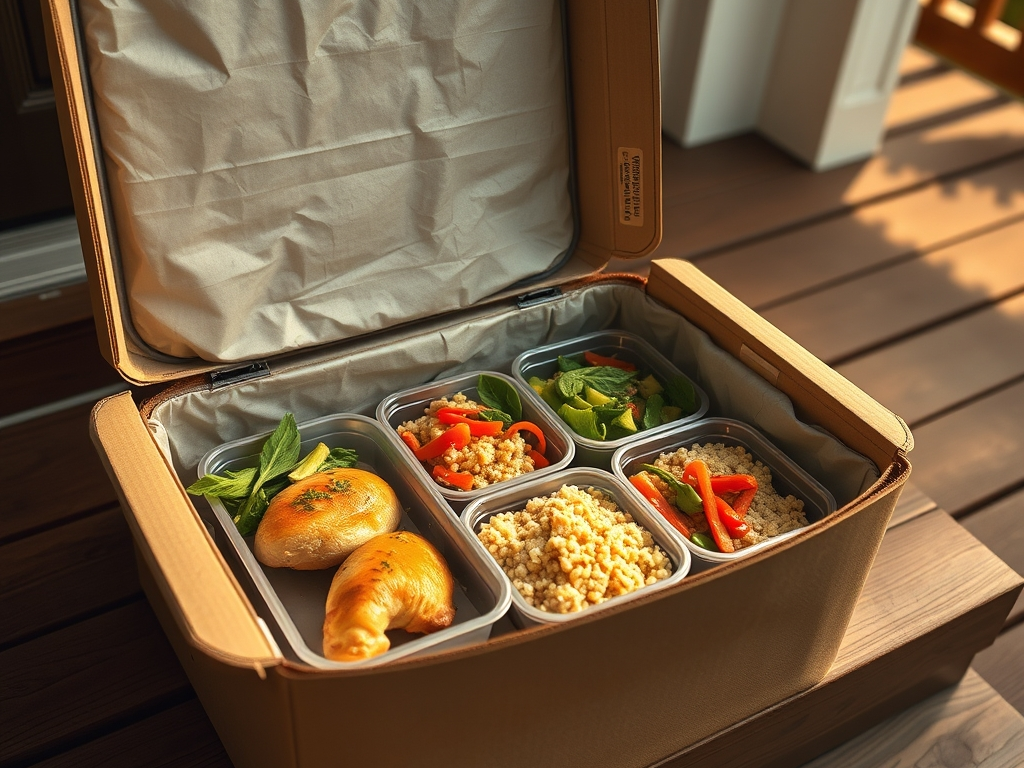
This guide lays out a practical way to compare meal delivery diet plans without getting distracted by hype. It is built from publicly available brand information and general buying considerations rather than hands-on testing. ModifyHealth shows up below as one example of a service that presents meal delivery diet plans and healthy food delivery, but the same checklist works for any brand you are weighing.
1. Start With the Job You Need the Plan to Do
Before you scroll through menus, decide what you want the service to replace. A plan that covers lunch at work solves a different problem than a plan that covers dinner for two people every night.
Ask yourself:
- How many meals per week do I actually need covered?
- Am I replacing one meal type, or most of my weekly meals?
- Do I want single-serve meals, family-style portions, or a mix?
- How much freezer or fridge space can I dedicate?
- Do I need meals that are ready in minutes, or am I willing to cook or reheat more actively?
- Do I want to choose every meal, or do I prefer a rotating menu?
This step prevents the most common mistake in the category: picking a plan because the food photographs well, then discovering the portion size, prep method, or delivery schedule does not match your routine. A meal delivery plan should remove decisions from your week, not add a new set of daily problems.
2. Read the Plan Details Like a Careful Shopper
Meal delivery brands lean on the same vocabulary: healthy, balanced, convenient, chef-designed. Those words are a starting point, not a comparison. Look for the details that determine what actually shows up at your door.
Check whether the brand publishes:
- Full ingredient lists for each meal
- Nutrition information, including calories, protein, sodium, fiber, and saturated fat where available
- Allergen information and whether meals are prepared in a shared facility
- Portion size and meal format, such as fresh, frozen, microwave-ready, or oven-ready
- Menu variety and how often the menu changes
- Whether you can filter meals by dietary preference
- Whether you can skip a week, pause, or cancel, and how those terms work
If a detail is not clearly stated, do not assume it. Flexible scheduling, dietitian support, or specific dietary certifications should be confirmed in the brand’s own published materials before you build a routine around them. Readers who compare fitness and outdoor gear already know this discipline: the useful facts live in the spec sheet, not the headline.
One practical habit: check protein and sodium together. A meal can look balanced by calorie count and still land far from your target on either number. Reading two lines of the nutrition panel tells you more than any front-of-package claim.
3. Compare the Real Weekly Cost, Not Just the Meal Price
A per-meal price can be misleading once shipping, taxes, minimum orders, and subscription requirements are added in. Build a simple comparison that reflects what you would actually pay in a typical week.
Use this formula:
- Estimate the number of meals you will order in a normal week.
- Add the stated shipping or delivery fee if one applies.
- Check whether the brand requires a minimum order or a subscription commitment.
- Factor in the groceries you will still buy for breakfasts, snacks, and any meals the plan does not cover.
- Consider waste: will you realistically eat every meal you order?
A plan that looks affordable per meal can be poor value if you skip deliveries, toss food, or still shop for most of your meals. A plan with a higher upfront cost can be reasonable if it replaces enough meals and returns hours you would otherwise spend shopping, cooking, and cleaning up.
4. Match the Plan to Your Dietary Pattern and Health Needs
Meal delivery is a convenience tool, not medical care. If you have a diagnosed condition, a food allergy, or specific nutrition needs, talk with a qualified health professional before relying on a delivery plan. A brand’s website can tell you what it offers; it cannot replace individualized advice.
For most shoppers, the practical filters are simpler:
- Do you need vegetarian, vegan, gluten-free, or other dietary options?
- Are you trying to manage portions, sodium, or overall meal balance?
- Do you want familiar comfort-style meals or more varied ingredients?
- Are you cooking for one person, two people, or a family?
- Do you need meals that reheat well at work or travel well?
ModifyHealth presents itself as a meal delivery diet plan service built around healthy food delivery, which makes it a reasonable brand to evaluate if you want a structured, diet-oriented option. Run it through the same checklist as any competitor: published nutrition details, menu flexibility, portion sizes, delivery terms, and cancellation rules. Avoid choosing any plan on the strength of a single health claim or a broad promise of wellness, and follow the label instructions on individual meals once they arrive.
5. Test the Service Before You Commit to a Long Stretch
A small first order teaches you more than a long comparison page. If the brand allows it, start with a limited number of meals or a shorter subscription period. Then judge the parts that matter in daily life:
- Did the meals arrive in good condition?
- Were the reheating instructions clear and realistic?
- Did the portions keep you satisfied?
- Did the flavors and textures hold up?
- Was the packaging manageable?
- Did the website make it easy to skip, pause, or swap meals?
Keep notes for the first week. Convenience is personal. A plan that works beautifully for someone with a large freezer and a predictable schedule may frustrate someone who travels often or has limited storage.
Who Meal Delivery Diet Plans Tend to Suit
These services can be a good fit if you want less meal planning, limited cooking time, or a more structured approach to portions. They can also help when rushed, unprepared food choices are the weak point in your week.
They may be a weaker fit if you love cooking, run a very tight food budget, need strict allergen control the brand does not clearly confirm, or want a highly customized nutrition plan. In those cases, another approach is usually more practical.
FAQ
Are meal delivery diet plans healthy?
That depends on the specific meals, the portions, and your overall diet. Look for published nutrition information and ingredient lists, and compare the plan against your own needs rather than relying on general wellness language.
Can I choose my own meals?
Some services let you choose each meal, while others send a rotating selection. Confirm the current ordering process before you subscribe.
Do I need to be home for delivery?
Delivery rules vary by service and location. Check the brand’s published shipping information for your area and make sure the packaging and delivery window fit your schedule.
Is meal delivery cheaper than buying groceries?
Not always. It depends on how many meals you replace, the delivery fees, and how much food you currently waste. Compare total weekly cost, not only the per-meal price.
Can a meal delivery plan replace advice from a doctor or dietitian?
No. Meal delivery is a convenience tool and not a substitute for individualized medical or nutrition guidance. If you have a health condition or specific dietary needs, consult a qualified professional.
A Simple Next Step
Use the checklist above to compare two or three services side by side: the job you need done, the published nutrition details, the real weekly cost, the flexibility terms, and the first-order experience. If you are looking for a diet-oriented meal delivery option, visit ModifyHealth to review its current meal delivery diet plans, menu details, delivery information, and subscription terms. Start small if you can, then decide whether the plan genuinely fits your routine before committing to a longer schedule.