
Walk into any supplement aisle and the wall of tubs starts to blur: bright labels, big promises, and ingredient panels that assume you already know what you’re reading. If your training has moved past the beginner stage and you want nutrition support that matches your actual goals — building muscle, recovering between sessions, staying hydrated through long days outside — the harder question isn’t whether to use supplements. It’s which ones, and why.
RYSE Supps is one of the names that comes up often in that conversation. The brand builds its lineup around a handful of core categories — protein, pre-workout, creatine, hydration, and ready-to-drink energy — and frames its products around fueling training rather than replacing real food. This guide breaks down what the brand actually sells, how the categories differ, and where a typical gym-goer or outdoor athlete might start.
What RYSE Supps Actually Makes
The product range is organized around training needs rather than a single hero product. Based on the brand’s published site, the main categories are:
- Protein — powdered protein in a range of flavors, plus a build-your-own multi-pack option for people who want variety instead of committing to one tub.
- Pre-Workout — formulas intended to be taken before training.
- Creatine — a standalone creatine product, built around one of the most researched ingredients in sports nutrition.
- Hydration — electrolyte-style products aimed at fluid and electrolyte replacement.
- RYSE Energy and RYSE Fuel — ready-to-drink energy beverages in two can sizes.
- Merch — apparel and branded gear for people who like the brand as much as the products.
Beyond the core lineup, the brand leans into limited-edition and collaboration flavors that rotate in and out. That matters for two reasons: flavor is the most common reason people abandon a tub halfway through, and rotating drops mean the exact flavor you buy today may not be around forever.
Breaking Down the Core Categories
Protein
Protein powder is the most straightforward purchase in the category, and the one most people should figure out first. The logic is simple: close the gap between the protein you eat and the higher amounts that consistent training tends to call for — a gap that widens for people training hard, eating in a calorie deficit, or simply not prioritizing high-protein foods.
RYSE offers protein in multiple flavors, and the build-your-own pack structure is useful if you get bored easily. If you’re new to powders, prioritize a flavor you’ll actually drink daily; consistency beats optimization here.
Pre-Workout
The brand formulates its pre-workout line for energy and focus during training. What matters when comparing options is the label: how many ingredients are included, whether the amounts are disclosed, and whether the stimulant content suits your tolerance and your schedule. If you train in the evening, a high-stimulant product is a poor fit regardless of how good the flavor is.
The brand presents pre-workout as part of a full training stack rather than a standalone magic bullet. That framing is honest: pre-workout is optional, and plenty of strong athletes skip it entirely.
Creatine
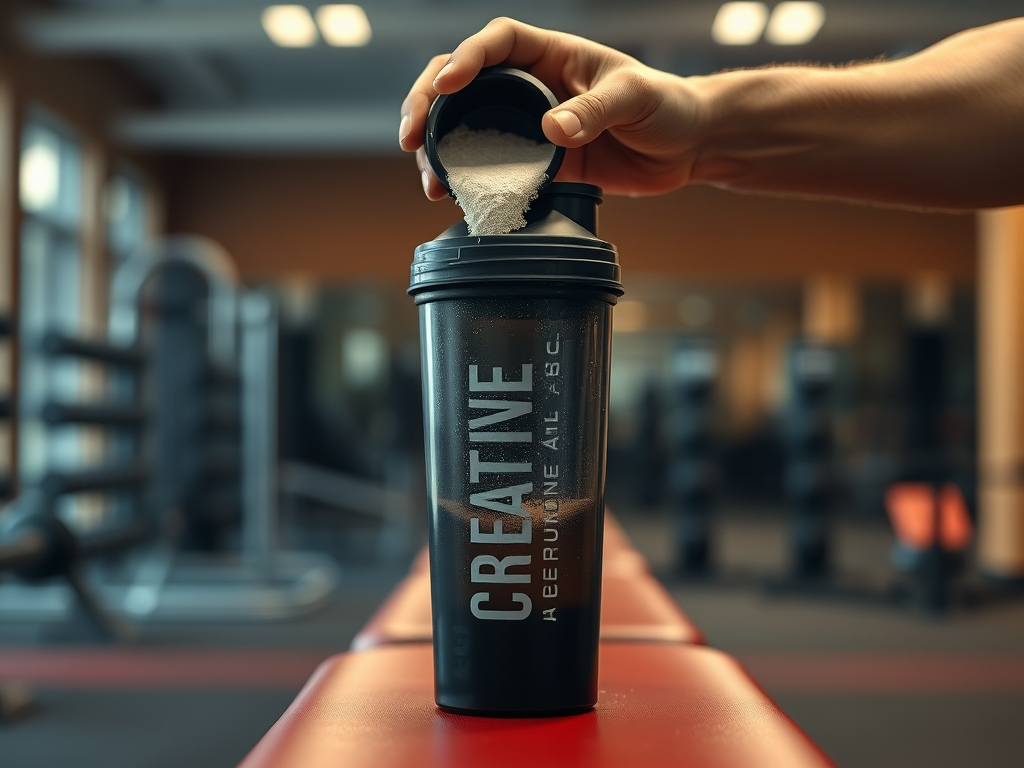
Creatine is the least glamorous and most practical item in the lineup. It’s among the most studied ingredients in sports nutrition, and it’s typically taken daily rather than only on training days. Selling it as a standalone product is a plus, because it lets you control the dose instead of paying for it bundled inside another formula where the amount may be lower than you’d want.
Hydration
Electrolyte products make sense for people training in heat, sweating heavily, or spending long days outside — hikers, runners, and anyone stacking multiple sessions into a week. They’re not necessary for a 45-minute indoor lift in a climate-controlled gym, and treating them that way gets expensive fast.
Energy Drinks and Flavor Collaborations
RYSE’s ready-to-drink energy line comes in two can sizes, and the brand runs a steady stream of limited-time and collaboration flavors across its powdered products. For readers of a fitness and outdoor gear site, there’s a practical angle here: canned energy drinks are convenient for a gym bag or a trailhead, but they’re an added cost compared with mixing your own pre-workout or drinking coffee and eating real food.
Treat flavor drops as a way to keep a daily habit interesting, not as a reason to buy more than you’ll use before it expires.
How to Match Products to Your Goals
A simple way to think about the lineup:
- Muscle growth and general strength work: protein and creatine are the two items with the strongest practical case. Pre-workout is optional.
- Recovery between sessions: protein plus consistent total daily calories and sleep. No powder replaces sleep.
- Endurance, heat, or long outdoor days: hydration products, plus real food and water.
- Early-morning or high-intensity training: pre-workout, if you tolerate stimulants and have tried the product before a real session.
- Convenience on the go: canned energy drinks, used sparingly.
If you’re building a first order, two items — a protein and a creatine — cover the widest range of goals for the lowest spend. Add pre-workout or hydration only once you know you’ll use them consistently.
Who RYSE Fits, and Who Should Look Elsewhere
RYSE fits well for people who train regularly, care about flavor variety, and want a recognizable lineup they can buy in one place — including bundling options and a store locator if you’d rather buy in person than wait on shipping. The collaboration drops and energy drinks also appeal to people who enjoy the culture side of fitness, not just the nutrition side.
It’s a weaker fit if you want a single minimalist product, if you’re strictly budget-driven and comparing cost per serving across many brands, or if you need a specific dietary certification. In that case, check the label of the exact product you’re considering before buying — formulas and certifications vary by SKU, and the brand’s own page is the reliable source for the current version.
Practical Buying Notes Before You Order
A few things worth checking on the brand’s own product pages before checkout:
- Serving size and servings per container. A larger tub isn’t always the better value — compare cost per serving, not just cost per tub.
- Stimulant content, if you’re sensitive to caffeine or train late.
- Allergen and dietary information for the specific flavor, since these can differ across a line.
- Shipping thresholds. The site advertises free shipping on domestic orders over $150, so bundling items you’ll use anyway can make more sense than ordering one tub at a time.
- Shipping and return policies as currently posted — these are set by the retailer and can change.
- Third-party testing information, if that’s a priority for you. Many buyers now look for this on the label or in the brand’s FAQ before purchasing.
One general note for anything in this category: supplements are not a substitute for a balanced diet, and more is not better. Follow the directions on the label, and if you’re pregnant, nursing, taking medication, managing a health condition, or under 18, talk to a doctor or another qualified professional before adding anything new. Statements from the brand about what its products are designed to support are the brand’s own framing, not a guarantee of results.
FAQ
Does RYSE sell everything a beginner needs? No single brand does, and you don’t need a full stack to start. Protein and creatine are the most practical first purchases for most people.
Are flavors consistent across products? The brand runs rotating and limited-edition flavors, so availability changes. If you find one you like, check whether it’s a permanent or seasonal item.
Can I buy RYSE in a store instead of online? Yes — the site includes a store locator for finding retailers near you, which is useful if you want to try a single serving before committing to a tub.
Is pre-workout required? No. It’s a convenience product. Plenty of people train well without it, and if you do use it, keep an eye on total daily caffeine from coffee, tea, and energy drinks combined.
Where to Start
If you’ve been circling the supplement question without a clear answer, start narrow: pick a protein flavor you’ll drink consistently, add creatine if muscle and strength work is your focus, and leave the rest until you have a specific reason to add it. Then head to RYSE Supps’ own site to compare formulas, serving sizes, and bundle options for the products that fit your training, use the store locator if you’d rather buy locally, and read the label on the exact item in your cart before you check out. A few minutes with the ingredient panel now saves you a shelf full of half-used tubs later.
This article is general information only and is not medical advice. Always read the label and follow the directions for use. If symptoms persist, talk to your health professional. Supplements should not replace a balanced diet.