
Gym clothes take more abuse than almost anything else in your closet. They get stretched, sweated through, washed constantly, and expected to hold their shape through squats, sprints, and long sessions on the mat. If you have ever finished a workout tugging at a waistband that will not stay put or peeling a shirt away from your back, you already know why the fabric matters as much as the training plan.
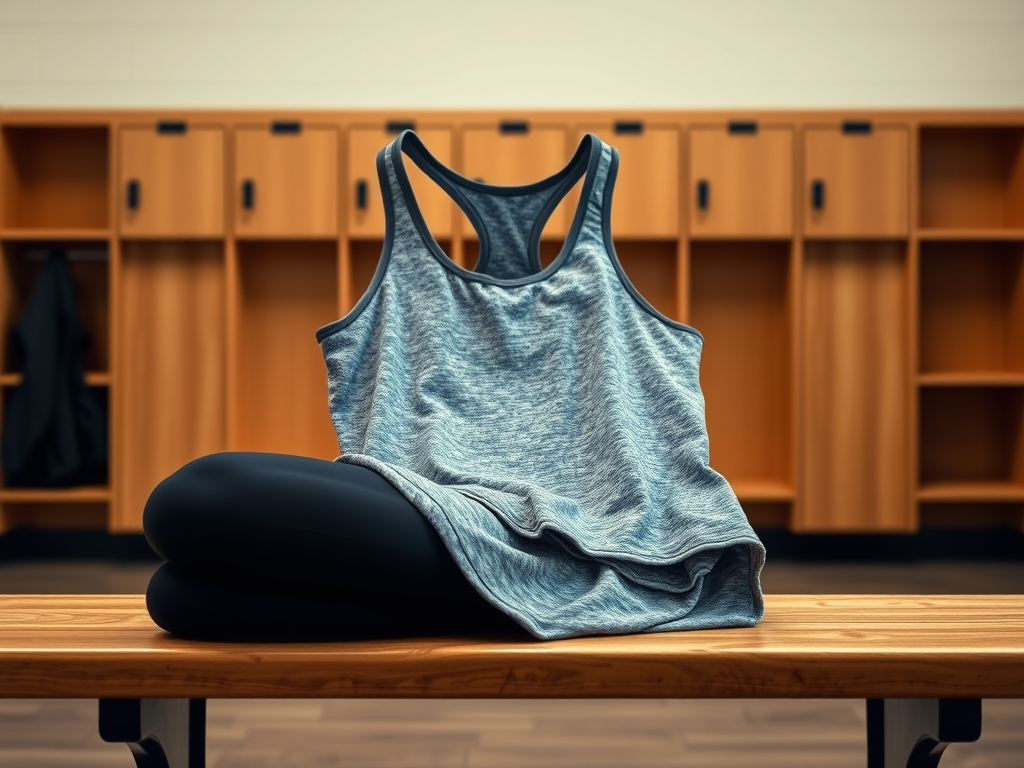
Better Bodies is a fitness apparel brand built around that idea: clothing and accessories made for people who train regularly and want gear that keeps up. This overview covers what the brand focuses on, how to think through a purchase, and which kinds of shoppers will get the most out of it.
What Better Bodies Actually Offers
Better Bodies positions itself in the fitness apparel and gym clothing space, with a lineup that spans training apparel, activewear, and workout accessories. In practical terms, that means the pieces you reach for during a normal training week, not a single specialist item.
The apparel side covers the staples active adults tend to replace most often: tops, bottoms, and layering pieces designed for movement. The accessories side adds supporting items that tend to wear out or go missing first in a gym bag. Because the brand’s identity is tied to gym culture rather than general lifestyle fashion, the design direction leans toward training-friendly cuts and materials rather than streetwear silhouettes with a fitness label attached.
One thing worth noting for shoppers: this is a brand aimed at the gym floor and the studio, not at technical mountaineering or competitive endurance racing. If your training is mostly strength work, functional circuits, group classes, and everyday cardio, the category fit is straightforward.
How to Judge Gym Apparel Before You Spend
Most buyers cannot try anything on before it arrives, so it helps to have a checklist. These are the factors that separate gear you keep for years from gear that ends up at the back of a drawer.
Fabric recovery. Stretch is easy; recovery is what costs money. A fabric that springs back after being pulled keeps its shape through repeated washing. Look for material descriptions that mention stretch with structure rather than pure softness.
Seam placement. On leggings and shorts, flatlock or offset seams reduce the chance of chafing during high-rep work or long sessions. Seams that sit right where your thigh meets the pad of a bench are a common complaint point.
Waistband construction. A wide, structured waistband holds position during hinging and squatting. Thin elastic bands roll. This is one of the few details you can often judge from product descriptions.
Opacity and coverage. For lighter colors especially, check whether the brand describes the fabric as opaque or suitable for high-movement training. If that detail is not stated, lighter shades carry more risk.
Breathability versus warmth. Open-knit training tops and shorts suit hot gyms and conditioning work. Hoodies and heavier layers suit warm-ups and cooler climates. Buy for the conditions you actually train in, not the ones you imagine.
Care requirements. Anything that needs special washing or air drying adds friction to your week. Standard machine-wash care is a real advantage for gear you wear three or four times weekly.
Apparel Choices by Training Style
Different training styles put stress on different parts of a garment, and matching the piece to the session avoids disappointment.
For strength training, prioritize structure. Shorts and leggings with a firm waistband and a cut that does not ride up during deep positions matter more than weightless fabric. Tops should allow a full overhead reach without pulling across the shoulders.
For functional fitness and circuits, versatility wins. You are moving between floor work, carries, and cardio in the same session, so stretch, seam comfort, and quick-drying fabric all earn their place.
For cardio and classes, breathability and lightweight construction come first. A top that vents well and bottoms that stay put through lateral movement will do more for your session than a heavier fabric with a premium feel.
For warm-ups and travel to the gym, layering pieces and accessories become the priority. A hoodie or jogger that looks presentable outside the gym extends the value of the purchase considerably.
Accessories: The Small Purchases That Matter
Workout accessories are easy to overlook and easy to under-buy. The useful way to think about them is by what fails first in your current setup. Straps, grips, and bags tend to be the items people replace rather than buy new, so choose based on durability and how the item carries, not on how it photographs.
If you already own functional accessories, be honest about whether a new one solves a real problem. A second bag rarely does. A replacement for something frayed or missing usually does.
Who Better Bodies Suits, and Who It Does Not
This brand fits regular gym-goers who want a coordinated wardrobe of training apparel rather than a single statement piece. It also suits people building out a first proper gym kit, since apparel and accessories can be sourced together with a consistent look.
It is a weaker match for shoppers who need highly technical gear for extreme cold, prolonged rain, or specialist outdoor pursuits, and for anyone who wants a purely fashion-first athleisure wardrobe. The brand’s center of gravity is training, and the lineup reflects that.
A practical caution for online buyers: sizing conventions vary between fitness brands, and training apparel often runs closer to the body than everyday clothing. Check the brand’s published size guidance and measurement instructions before ordering, and review the return and exchange terms so you know your options if the fit is off. Shipping thresholds, warranty details, and any regional restrictions should be confirmed at checkout rather than assumed.
FAQ
Is Better Bodies only for men? The brand operates in the gym apparel space, where lines often span both men’s and women’s training wear. Check the current catalog for the categories available in your size range.
Can these clothes be worn outside the gym? Many training pieces work casually, especially joggers, hoodies, and tees, but the design intent is training. Judge each item on its cut and fabric weight.
How should I wash training apparel? Follow the care label on each garment. As a general habit, washing cold and skipping the dryer extends the life of stretch fabrics.
Do I need accessories to start training? No. Accessories support specific movements and convenience. Buy them to solve a problem you have, not to complete a set.
Where to Start
If you are rebuilding a training wardrobe or buying your first serious gym kit, start with the pieces you wear most often: a couple of training tops, two pairs of bottoms that suit your main training style, and one layering piece for cooler sessions. Add accessories only where your current gear is failing you.
Browse the Better Bodies collection to compare current apparel and accessory options, review the size guidance for each item, and confirm shipping and return terms before you check out. A few minutes of comparison now is the difference between gear you wear weekly and gear you forget you own.