
Weighted training gear is one of those purchases that looks simple until you start shopping. Vests come in wildly different fits, sandbags range from floppy to structured, and half the listings online never tell you what the thing is actually built for. Hyperwear is one of the names that comes up repeatedly in that search, so here is a plain-language breakdown of what the brand sells, how the pieces differ, and where each one fits into a real training routine.
Everything below is based on the brand’s published product information and general category knowledge, not on hands-on testing. The goal is to help you compare options efficiently and avoid paying for features you will never use.
What Hyperwear Actually Makes
Hyperwear builds weighted training equipment, and the lineup is organized around three broad categories:
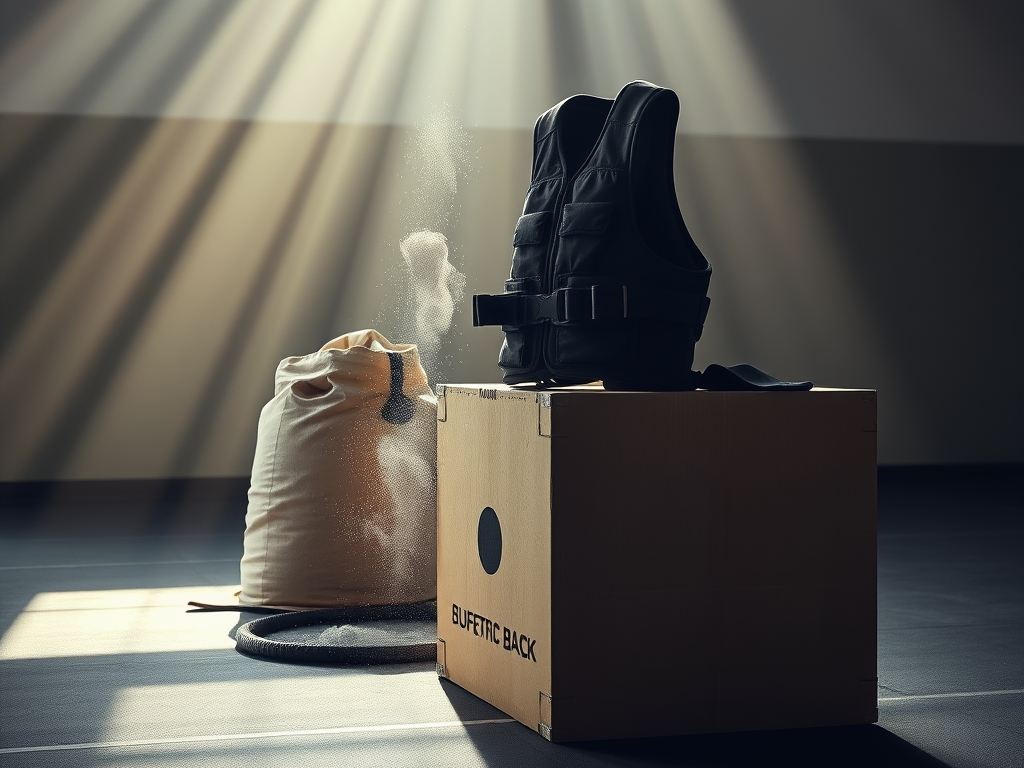
Weighted vests. The brand’s vest family includes the Hyper Vest Elite, described as a high-performance, ultra-durable vest for intense and demanding training; the Hyper Vest Pro, positioned as a comfortable, balanced vest for everyday casual fitness and moderate intensity; and the Hyper Vest Fit, which the brand describes as designed for women to support bone health and daily activity. That bone-health language is the brand’s own positioning, not an independent finding — if bone density is your specific concern, talk to a physician or qualified professional about whether loaded training fits your situation.
Sand-based strength tools. This is where the brand’s identity is clearest. Hyperwear carries SandBells and the Hyrox Sandbag System, along with rucking gear. Soft, sand-filled weights behave differently from dumbbells: they shift as you move, which changes how lifts feel and makes them popular for functional circuits, carries, and conditioning work.
Bundles and sets. The site groups some products into ready-made packages, including a Home Gym Set and a Softball Cardio Set, which can simplify things if you would rather buy a complete setup than piece one together.
Weighted Vests: How to Tell Elite, Pro, and Fit Apart
The three vests are not just trim levels of the same product. They map to different training intensities, and picking the wrong one is the most common way shoppers overspend.
- Elite is the answer for high-volume, high-intensity work — the kind of training where a vest gets thrown around, used for sprints and burpees, and needs to hold its shape over time. If you are training for a fitness race or doing daily loaded conditioning, this is the tier the brand points you toward.
- Pro is the moderate-intensity option. It is aimed at everyday fitness, walking, bodyweight circuits, and general conditioning where you want the load but not a competition-grade build.
- Fit is cut and positioned for women, with the brand emphasizing daily activity and bone health.
Practical tip before you buy: the single most important spec is not the vest itself, it is the weight range and how the load is distributed. A vest that bunches at the shoulders or swings during movement is worse than useless. Look for how weights are held in place, whether the load sits close to your torso, and whether you can add or remove small increments so you can progress gradually instead of jumping from light to heavy.
Sandbags and SandBells: Where They Fit
Sandbags have quietly become standard equipment in functional fitness and race training. The reason is simple: a shifting load forces your stabilizers to work harder than a fixed weight does, so a 40-pound sandbag often feels more demanding than a 40-pound dumbbell for carries, cleans, and squats.
Hyperwear’s sand-based tools sit squarely in that world. The Hyrox Sandbag System ties directly into fitness racing, where sandbag lunges and carries are standard movements. The brand also publishes comparison material on how formats like DEKA-Fit and Hyrox differ, which is useful if you are deciding which race to train for and want gear that matches the movement list.
Who sandbags suit: anyone training for obstacle or fitness races, anyone building a compact home setup, and anyone who finds barbells intimidating or impractical in a small space. Who should skip them: lifters chasing precise linear progression on the main barbell movements. Sand weight shifts, and that is the point — but it makes sand a poor substitute for calibrated plates.
Buying Details Worth Knowing
A few things on the site are worth factoring into your decision before checkout:
- Free shipping applies to orders over $39 and under 80 pounds, so a single heavy sandbag or a bundle may handle shipping differently than a small accessory. Check the terms for anything near that weight ceiling.
- Discounted pricing for eligible groups. Hyperwear lists any current group pricing terms on its site, so check there before ordering. The brand notes it can stack with other discounts, excluding the welcome email offer.
- HSA/FSA. The site includes a page on using HSA/FSA funds, which is worth reading if you have a health spending account and want to know what qualifies.
- Loyalty points and email signup. The brand runs a points program; details are on the brand’s site. Loyalty and signup program details are available on the brand’s site.
FAQ
Are Hyperwear weighted vests adjustable? The brand markets its vests around comfort and balanced load, and the Pro is described as adjustable. Always confirm the weight range and adjustment method on the specific product page, since the three vests are built differently.
Can beginners use a weighted vest? Yes, in principle, but start lighter than you think you need and add load gradually. If you have back, joint, or cardiovascular concerns, clear loaded training with a doctor first.
Are sandbags only for race training? No. They work well for general conditioning, carries, and home circuits. They are simply less precise than fixed weights.
Do these products come with a warranty? Warranty terms are set by the brand and can vary by product, so check the individual product page or the brand’s policy page before ordering.
The Bottom Line
Hyperwear’s catalog is narrow but coherent: weighted vests tiered by training intensity, sand-based tools built for functional and race-style work, and bundles for people who want a setup in one order. Match the tier to how hard you actually train, check the shipping weight rules and any discount you qualify for, and you will end up with gear that fits your routine rather than gathering dust.
Ready to compare? Head to Hyperwear, open the vest collection side by side, and check the weight ranges and shipping terms before you check out.