
If you have ever stood in an outdoor store staring at two tents that look almost identical but cost very different amounts, you already know the problem: outdoor gear is easy to buy and hard to buy well. Weight, packed size, weather protection, and how a piece of equipment works with everything else in your pack matter far more than the marketing on the box. Big Agnes is one of the names that comes up repeatedly in that conversation, especially among backpackers who care about weight without giving up comfort.
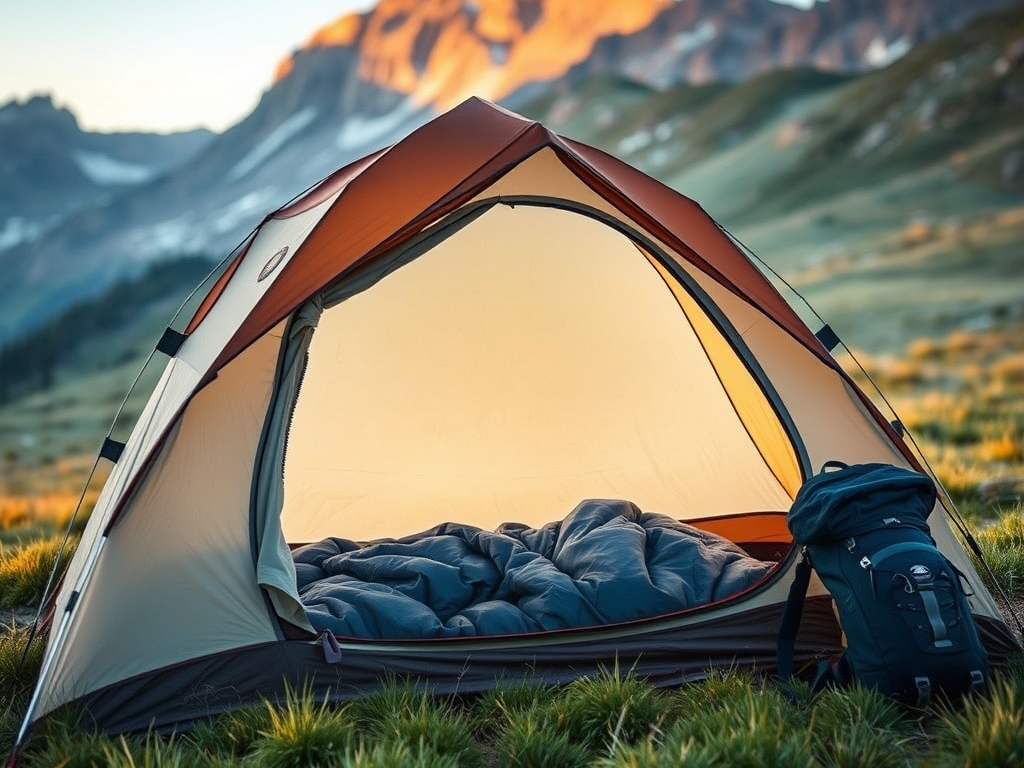
This overview walks through what the brand is generally known for, how its main product categories fit together, and what to compare before you spend. It is a research-based look at the brand’s public positioning and the categories it is known for, not a hands-on test.
What Big Agnes Is Known For
Big Agnes is an outdoor brand with a reputation built primarily around backpacking shelters and sleep systems. That focus shows in how the company structures its lineup: tents, sleeping bags, sleeping pads, and camp accessories are designed as a connected system rather than as unrelated items on a shelf. Apparel rounds out the range for people who want layers and camp clothing from the same source.
For shoppers, the practical takeaway is that Big Agnes is generally strongest where weight, packed size, and backcountry usability are the deciding factors. It is not the place to look for the heaviest, cheapest car-camping setup, and it is not a fashion-first apparel label. It sits in the technical-but-approachable middle: serious enough for multi-day trips, understandable enough for someone buying their first real backpacking kit.
Tents: The Comparisons That Actually Matter
Tents are the category most people associate with the brand, and they are also where buyers make the most expensive mistakes. Before you compare models, narrow the field with four questions.
How many people, really? A two-person tent is usually a comfortable fit for two adults sleeping close, with gear stored in a vestibule. If you want elbow room or you camp with a dog, size up. Capacity ratings describe sleeping space, not luxury.
What seasons and conditions? Three-season tents handle the majority of spring-to-fall backpacking. Winter and exposed alpine use is a different discussion with different construction priorities. Buying a winter-capable shelter for summer trips usually means carrying weight you do not need.
Weight versus durability. Lighter fabrics and fewer poles cut grams, but they ask for more care with stakes, floors, and sharp ground. If most of your trips are short and close to the car, a slightly heavier shelter can be the smarter buy.
Doors and vestibules. Two doors and two vestibules make shared tents far more livable. Single-door designs save weight and cost but create awkward midnight exits for the person on the far side.
Also check floor dimensions against your sleeping pad sizes, and confirm whether a footprint is sold separately — it often is, across the industry.
Sleep Systems: Bags and Pads Work as a Pair
The second half of Big Agnes’s core identity is sleep. The most useful way to think about it is as a system: the pad provides insulation from the ground, the bag provides insulation above, and the two are often designed to work together so the bag does not slide off the pad overnight.
When comparing sleeping pads, look at the R-value, which describes resistance to heat loss through the ground. Higher numbers suit colder ground; lower numbers are fine for warm-weather trips. Also compare thickness, packed size, noise, and valve design — a pad that is a hassle to inflate gets left at home.
When comparing sleeping bags, temperature ratings are a starting point, not a promise. Ratings assume a defined set of conditions, a specific pad, and a particular sleepwear setup. If you sleep cold, choose a warmer rating than the number suggests. Pay attention to shape (mummy versus roomier cuts), fill type, and whether the bag includes a draft collar and hood adjustments.
A simple rule for assembling a kit: match the bag’s temperature rating to the pad’s R-value for the coldest conditions you realistically expect. A warm bag on a thin, low-R pad will still leave you cold from below.
Apparel and Camp Comfort
Apparel and camp accessories are where a technical brand becomes practical for everyday users. For layering, the useful framework is the familiar one: a base layer that moves moisture, an insulating midlayer, and a shell that blocks wind and rain. Buy layers that fit over each other comfortably, and check whether a shell has enough room for your midlayer without compressing it.
Camp accessories — storage, stakes, and shelter add-ons — are the small items that determine whether a trip feels smooth. These are also the easiest place to overspend, so buy them to solve a specific problem you have actually had on a trip rather than to fill a shopping cart.
Who This Gear Suits — and Who It Doesn’t
Big Agnes gear tends to fit well if you are:
- A backpacker or bikepacker counting ounces and packed volume
- A weekend camper who wants equipment that will last through many seasons
- Someone building a complete sleep system rather than buying pieces at random
- A shopper willing to compare specs before buying instead of chasing the lowest price
It may be a weaker fit if you mainly car camp with heavy gear, want the least expensive option available, or are shopping purely for lifestyle apparel. Technical gear carries a technical price, and paying for ultralight materials you will not use is a common way to overspend.
Before You Check Out
A few general habits save money and returns:
- Confirm what is included. Tents frequently ship without footprints; pads sometimes ship without a pump sack or stuff sack.
- Read the return and warranty terms on the retailer or brand page before ordering, especially for seasonal or clearance items.
- Check shipping timelines against your trip date. Gear that arrives after you leave is not a deal.
- Verify sizing charts for apparel rather than assuming your usual size, since layering pieces run differently across brands.
- Register your purchase where the brand offers it, so warranty support is simpler later.
FAQ
Is Big Agnes good for beginners? Yes, provided you compare specs rather than buy on looks. The brand’s published information includes weight, capacity, and materials for most items, which is enough to make a reasonable first choice.
Do I need a footprint? It protects the tent floor and is usually sold separately. It is worth it on rough ground; on soft forest floor it is optional for many campers.
Can I use a three-season tent in winter? For mild, sheltered winter nights, some people do. For real snow loading and high wind, choose a shelter designed for those conditions.
Should the sleeping bag and pad be the same brand? Not required, but pad-integrated designs reduce sliding and make for a more consistent night’s sleep.
The Next Step
Start with the trip you take most often, list the conditions and the weight you are willing to carry, then compare Big Agnes tents, sleep systems, and apparel against that list. Match the shelter to your capacity and seasons, pair the bag with a pad rated for the ground you sleep on, and confirm what is included before you order. Buying with those four checks in hand is how you end up with gear you keep using instead of gear you replace.