
Recovery used to mean booking time somewhere else. A studio membership, a gym with a sauna, a friend’s pool in winter. If your training schedule is already tight, the commute is often the first thing that gets cut — and the recovery session goes with it.
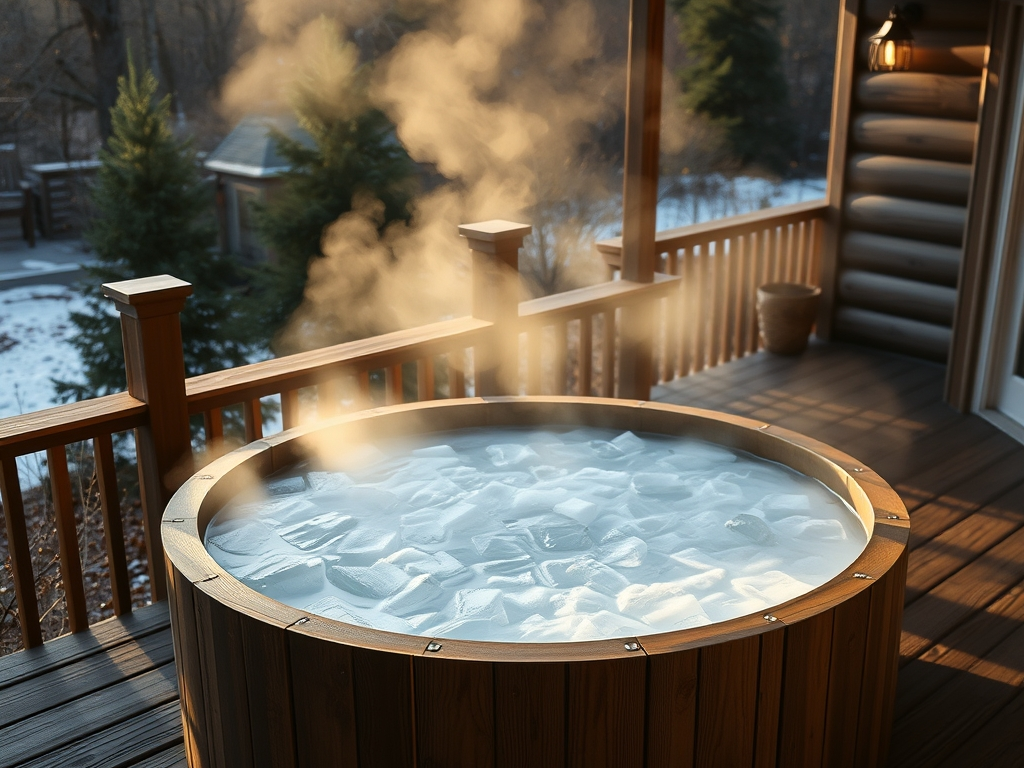
MiHIGH builds equipment for people who want those sessions at home instead. The brand’s US site centers on at-home recovery gear: cold plunge tubs and an infrared sauna blanket, with home sauna setups also referenced in the comments the brand publishes. The pitch is access and convenience rather than a new routine — the sessions you already value, minus the drive.
This overview is a single-brand look at what MiHIGH sells and how its main formats compare in daily use, based on the brand’s own published information. It is a research-based summary, not a hands-on test, and it is worth reading any recovery marketing — including this page — with that distinction in mind.
What MiHIGH Sells and Who It Is Built For
The brand’s lineup on its US site falls into three groups:
- Cold plunge tubs — a tub you fill and immerse in, positioned for cold water therapy at home rather than at a gym or recovery studio.
- An infrared sauna blanket — a foldable, blanket-style sauna the brand describes as a way to get sauna-style heat sessions at home without a cabin.
- Home sauna options — a residential sauna setup that appears in the customer comments MiHIGH publishes on its site.
The audience MiHIGH writes for is fairly clear. The brand describes cold plunge therapy as something elite athletes and health experts rely on for recovery and mental resilience, and its site publishes comments from athletes in MMA, rugby, and boxing, plus a personal trainer, about how they use the gear. That framing is the brand’s own, and the recurring theme in those comments is practical: athletes who could not reliably find a sauna while traveling, and home users who wanted heat sessions without leaving the house.
If your routine already includes cold exposure or heat sessions and the only real barrier is access, that is the problem this brand is set up to solve. If the routine itself does not exist yet, equipment rarely creates it.
The Infrared Sauna Blanket: MiHIGH’s Lower-Commitment Format
The blanket is the easier entry point into the brand’s lineup. It folds, stores in a closet, and needs no plumbing or dedicated room — which matters if you rent, move often, or simply do not have a spare corner for a cabin.
How it works in practice: you lay it flat, get inside, and run a heat session lying down rather than sitting upright. That difference in posture is the main thing to weigh against a traditional sauna, and it is the trade-off the brand is implicitly asking you to accept in exchange for portability and price of entry. Before choosing a model, check the brand’s stated heat settings, warm-up time, and recommended session length rather than assuming they match a cabin sauna.
Plan for upkeep as well. Heat sessions mean sweat, so a wipe-down routine and a towel layer between you and the blanket are sensible habits from day one, and you should follow the brand’s cleaning guidance for the specific model.
Who it suits: small-space dwellers, frequent travelers, and anyone who wants heat sessions at home without an installation. Who might skip it: people who specifically want the seated, upright sauna experience, or who find lying still for a full session uncomfortable. As with any heat product, talk to a doctor first if you are pregnant, have cardiovascular concerns, take medication that affects sweating or blood pressure, or have any condition that makes heat exposure risky, and follow the manufacturer’s instructions on session length and setup.
The Cold Plunge Tub: What Owning One Actually Involves
A cold plunge is a bigger commitment than a blanket, for reasons that have little to do with willpower. Before picking a model within MiHIGH’s range, work through the logistics:
Where it will live. Indoor or outdoor, on a patio, in a garage, or in a bathroom. Think about the footprint when filled, the clearance around it, and how you will get in and out safely. Wet surfaces are slippery, and that is a real design consideration, not a footnote.
Water management. Any tub you fill needs a plan: how often you change the water, whether the model uses a filter or a sanitation system, and where the water goes when you drain it. Drainage access matters more than most first-time buyers expect, and renters should check what their lease allows.
How the water gets cold. Cooling method is the spec that most affects day-to-day use, so confirm how each MiHIGH model is cooled and how consistent the temperature stays between sessions rather than assuming.
Who it suits: people who will genuinely use it several times a week, have the space, and do not mind a maintenance routine. Who might skip it: renters with no drainage, anyone who dislikes cold water, and anyone with a heart condition or other health concern. Speak with a doctor before starting cold water immersion, and follow the manufacturer’s guidance on duration and setup.
How MiHIGH Fits Into a Real Routine
Comparing home recovery gear against the alternative is the honest way to decide. The alternative is usually a studio membership, a gym with sauna access, or a friend’s setup — all of which work fine until your schedule changes.
Where MiHIGH has a clear structural advantage is consistency. Gear in the garage gets used at 6 a.m. before work or at 9 p.m. after the kids are down, and it does not care about opening hours. Where a home setup loses ground is novelty: the equipment you buy in January is still there in July, and if cold water or heat sessions are not already part of your week, the tub becomes an expensive storage container.
A few realistic checks before you commit:
- Budget for running costs, not just the sticker price. Filters, water treatment, and electricity add up over a year.
- Match the format to your habit. If you already take cold showers or book sauna sessions weekly, home gear is likely to earn its keep. If recovery is a new intention, the blanket is the gentler starting point.
- Consider the second user. A tub in a shared house is easier to justify than a blanket sized for one, and vice versa.
What to Confirm With MiHIGH Before You Order
Recovery equipment is a bigger purchase than a foam roller, so treat checkout the way you would any major gear buy:
- Shipping and returns for your state. Large items often move by freight, which can mean scheduling a delivery window and inspecting the box for damage on arrival.
- Warranty coverage by component. A tub shell, a cooling unit, and a blanket’s heating elements may be treated differently, so read the terms rather than assuming blanket coverage.
- Electrical requirements for any powered part, before you commit to a location in the house.
- The current specs and included accessories for the exact model you are considering, since features can vary across a lineup.
FAQ
What does MiHIGH sell? Cold plunge tubs and an infrared sauna blanket, with home sauna setups also referenced in the brand’s published customer comments.
Is the sauna blanket a replacement for a traditional sauna? It delivers heat sessions in a lying-down, blanket format rather than a seated cabin. Whether that substitutes for a sauna depends on which part of the experience you care about.
How long should a session last? Follow the manufacturer’s instructions for the specific product and get medical advice first if you have any health condition.
Where should the sauna blanket be used? Check the brand’s guidance for the surface it recommends — blanket-style saunas typically call for a firm, flat surface rather than a soft mattress.
Is MiHIGH beginner-friendly? The blanket is the simpler starting point. Cold plunging carries a bigger learning curve around water upkeep and temperature control.
The Bottom Line
MiHIGH is aimed at athletes, regular gym-goers, and home users who want recovery and heat sessions on their own schedule rather than at a studio. The cold plunge tubs suit buyers with space and a maintenance plan; the infrared sauna blanket suits smaller spaces and a lower commitment. Neither one replaces consistency, and neither replaces medical advice if you have health concerns.
Ready to look closer? Visit MiHIGH’s official site to compare the current cold plunge tubs, infrared sauna blanket, and home sauna options, and confirm the specs, shipping terms, and warranty details for the model that fits your space.