
Most home gyms don’t fall apart because of the machine. They fall apart because of the small stuff: a shirt that chafes after twenty minutes, a band that stretches out in a month, a mat that slides across a hardwood floor mid-lunge. Apparel and accessories are usually the least expensive part of a training setup, and the easiest part to buy badly.
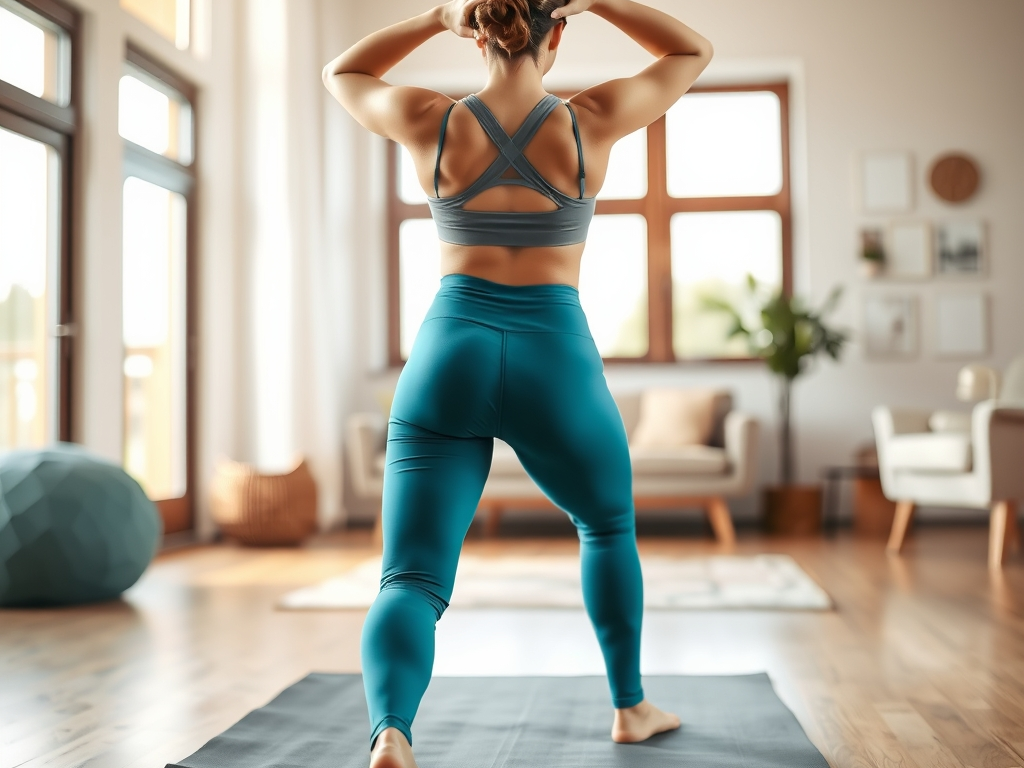
This guide covers what to check before you spend, then explains where Technogym’s fitness apparel, activewear, and workout accessories fit into that picture, alongside a few other brands active adults tend to compare. Everything here is drawn from each brand’s public positioning and general category knowledge rather than hands-on testing.
Six Things Worth Checking Before You Buy
Fitness apparel is a crowded category, and marketing language rarely matches construction. These are the factors that actually separate gear you’ll use weekly from gear that ends up in a drawer.
1. Fabric described in specific terms
Look for concrete material information rather than the word “performance” on its own. A stated blend, a listed elastane percentage, and mesh panels in high-heat zones all tell you more than a slogan. If a product page won’t say what a garment is made of, treat that as information too.
2. A fit built for movement
Training clothes should be cut for motion, not for standing still. Check whether the brand describes its fit — compression, regular, relaxed — and whether a piece is designed for a specific activity. A cycling top and a lifting top have different shoulder and hem construction. Sizing charts matter more in activewear than in everyday clothing, because a poor fit becomes a functional problem rather than a style one.
3. Durability where it counts
Activewear tends to fail in three places: seams, waistbands, and anything elastic. Reinforced flatlock stitching, a stated wash temperature, and clear guidance on tumble drying are all worth reading before checkout. If a piece demands delicate care, be honest about whether you’ll still reach for it four times a week.
4. Accessories matched to your actual routine
The accessory category is wide — mats, bands, straps, gloves, stability tools, small weights. The useful question isn’t what’s popular but what your week requires. Someone running bodyweight circuits needs a different kit than someone training for a half marathon or lifting four days a week. Bundles bought before you know your routine usually mean owning things you never touch.
5. Fit with your space and existing equipment
Accessories interact with your room as much as your body. Mat thickness affects balance work, band tension affects progression, and storage footprint decides whether a small apartment gym stays usable. Think about what you already own before adding anything new.
6. Price positioning versus how often you’ll wear it
Premium brands charge for materials, design, and name together. That isn’t automatically a bad deal — well-made apparel does last longer — but it’s worth separating the pieces you’ll wear every week from the ones you’ll wear twice a month. Spend on the first group and stay modest on the second. Also confirm shipping regions, return windows, and care terms on the brand’s own site, since these vary by country and change over time.
Where Technogym Fits
Technogym is an Italian fitness and wellness brand best known for cardio and strength equipment found in commercial gyms and home training spaces worldwide. Alongside that equipment business, the brand offers a line of fitness apparel, activewear, and workout accessories aimed at people who want their training gear to feel consistent with the rest of their setup.
That combination is the brand’s real differentiator. Technogym comes to apparel from an equipment heritage rather than from fast fashion, and the line is positioned around design-led training essentials — a coordinated, minimal look rather than trend-driven pieces. If you already train on Technogym equipment, or you’re building a home gym where visual consistency matters, the apparel and accessory range is a logical place to look first.
It’s a good fit if you: are an active adult outfitting a home training space, want apparel and accessories from a brand with genuine equipment credentials, care about a cohesive look, and are comfortable with premium positioning.
Look elsewhere if you: want deep activity-specific specialization such as competition-grade lifting apparel, or you’re shopping strictly on lowest price per item. In those cases a dedicated activewear label or a budget-first retailer will serve you better.
One practical note: because Technogym’s catalog spans both equipment and apparel, it’s easy to drift from one to the other while browsing. Decide which purchase you’re making before you start comparing.
Other Brands Worth Comparing
No single brand covers every need, and these three come up in the same conversations for different reasons.
Precor
Precor is a commercial fitness equipment brand whose catalog centers on cardio machines, strength equipment, and full gym solutions rather than apparel. If your decision is really about outfitting a training space, Precor belongs on your research list for the equipment side. For shirts, shorts, and small accessories you’ll want a dedicated activewear line — but Precor is a sensible reference point if you’re choosing equipment first and building the rest of your kit around it.
Best for: buyers prioritizing machines and strength systems who plan to source apparel separately.
Matrix Fitness
Matrix Fitness is another name rooted in fitness equipment and training gear, with an emphasis on commercial and home gym solutions. Readers comparing Technogym with Matrix are usually weighing two equipment ecosystems rather than two apparel lines, so be clear about which purchase you’re actually making before you compare specifications. Like Precor, Matrix is strongest on the hardware side of the category.
Best for: people evaluating training gear and equipment as part of a broader gym setup.
Zonkoo
Zonkoo sits in a different lane entirely: its public focus is inflatable tents and weekend outdoor escapes, not gym apparel. That makes it a reasonable option for readers whose training spills outdoors — camping trips, weekend hiking, a portable setup you take to a park — but not a substitute for activewear. If your routine is indoors and gym-based, Zonkoo simply isn’t the category you’re shopping in.
Best for: outdoor-oriented readers who want weekend gear that supports an active lifestyle away from the gym.
Matching Your Kit to Your Training Week
A quick way to sort through all of the above:
- Mostly home strength and cardio: start with apparel you’ll wear several times a week, then add accessories that match the equipment you already own. Technogym’s design-led approach makes sense if you want the space to feel cohesive.
- Commercial gym member: buy apparel for durability and washability first. Accessories matter less because the gym supplies most of them.
- Outdoor and weekend training: prioritize weather-appropriate layers and portable gear, where outdoor-focused brands such as Zonkoo may be more relevant than a gym-apparel line.
- Building a space from scratch: settle the equipment decision first — Precor and Matrix are both worth researching — then choose apparel and accessories that complement what you bought.
Frequently Asked Questions
Do I need branded activewear to train effectively? No. Function comes from fit, fabric, and durability. Branding is a preference, not a performance requirement. What matters is that a garment moves with you and survives regular washing.
How many accessories should a beginner buy? Fewer than most bundles suggest. Start with what your current routine demands — often a mat plus one resistance tool — and add as your program changes.
How do I check sizing when buying activewear online? Use the brand’s published size chart along with any stated fit description, such as compression versus relaxed. If a brand names the activity a piece was designed for, that’s usually a better sizing clue than a generic size label.
What should I verify before ordering? Confirm shipping regions, return windows, and warranty terms on the brand’s own site, since these differ by country. Prices and availability change, so check the current listing rather than relying on an older comparison.
Next Step
If Technogym’s approach matches how you train — design-conscious gear from a brand with real equipment roots — browse the apparel and workout accessory range on the official Technogym site, confirm current availability for your region, and pick the one or two pieces that fit the sessions you actually do each week. Compare those against what Precor, Matrix Fitness, and Zonkoo offer in their own niches, and buy for your routine rather than for the widest possible catalog.