
Most people don’t set out to train their attention. They just notice, somewhere around the third app-switch in four minutes, that their mind has stopped staying where they put it. Muse approaches that problem from the hardware side: a headband that reads brain activity and turns it into something you can watch, practice with, and track over time.
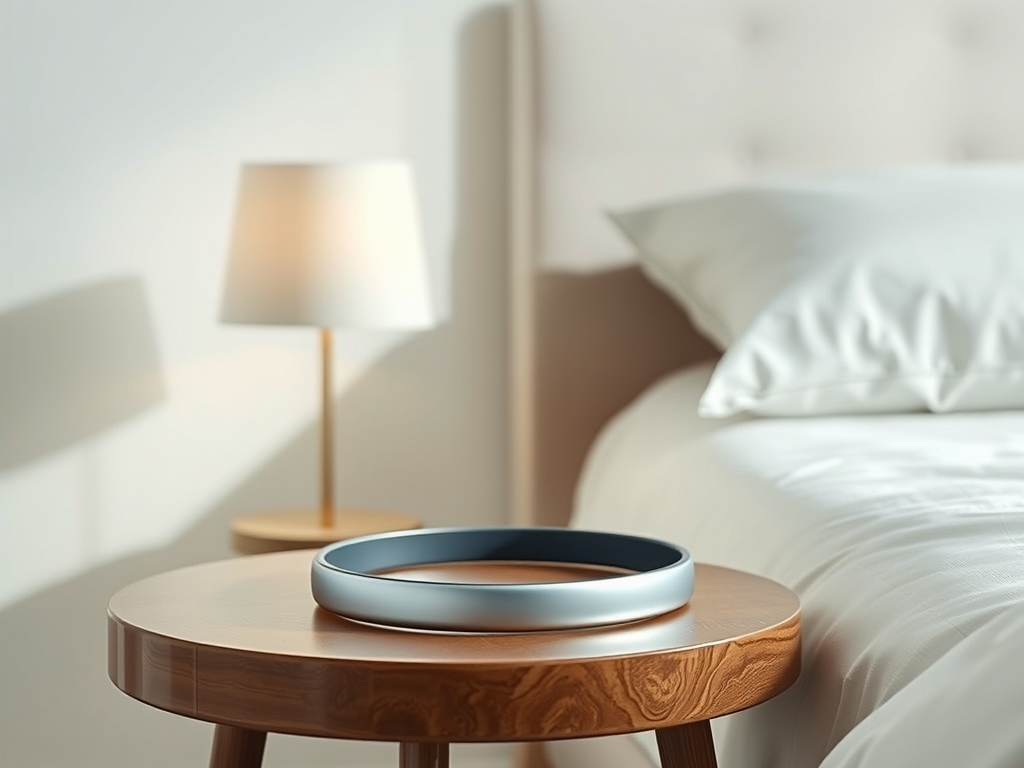
This overview walks through what Muse actually sells, how the technology is described by the brand, and which shoppers the lineup makes sense for — so you can decide whether it belongs in your routine before spending on it.
What Muse actually is
Muse is a brain sensing headband paired with a companion app. The headband uses sensors to pick up signals from your head and sends that data to the app, which translates it into feedback during sessions. The brand frames the whole system around three goals: focus, mental endurance, and sleep.
The sensor set listed for the current flagship, the Muse S Athena, includes EEG, fNIRS, PPG, and a PPG plus accelerometer combination. In plain terms, that means the device is reading electrical brain activity alongside blood-flow and heart-related signals. The fNIRS piece is the newer addition the brand highlights for training mental stamina, and the EEG side is what powers the classic “notice your mind wandered, bring it back” loop that Muse built its name on.
Muse also maintains a research page and states that the product is backed by research. If you care about the evidence base, that page is the place to read the brand’s own citations rather than take a marketing summary at face value — a habit worth keeping with any neurotech purchase.
Muse S Athena vs. Muse 2: how the lineup splits
The shop is organized around a small number of options rather than a sprawling catalog.
Muse S Athena is the current top model. The brand lists focus training (seeing when your mind drifts and training it back), endurance training via fNIRS, and sleep features including what it describes as 88–96% PSG accuracy, Smart Wakeup, and Deep Sleep Boost. The device alone is listed at $474.99 USD.
Muse S Athena + Premium bundles the same hardware with a year of the Premium subscription. It’s listed at $539.00 USD. Given that Premium is separately offered at $45 per year, the bundle math is straightforward — you’re paying for a year of software alongside the device.
Muse 2 still appears in the shop as a Premium bundle option, positioned as the more established, lower-tier route into the ecosystem.
One detail worth reading carefully in the listings: the device-only purchase includes free meditation and basic sleep tracking. The deeper sleep optimization, focus training, and AI coaching sit behind Premium. That distinction matters more than the hardware difference for a lot of buyers, because the software is where the day-to-day experience lives.
What Premium adds — and whether it changes the purchase
Subscriptions are the part of fitness and wellness hardware that people most often regret, so it’s worth being precise. According to the brand, Premium unlocks:
- Muse Brain Age, a metric-style score
- Enso AI coach, an in-app coaching feature
- Alpha Peak
- Brain Recharge Score
- Sleep optimization features including Deep Sleep Boost, alongside the focus training tools
If you buy the device alone, you still get guided meditation and basic sleep tracking — enough to use the headband and see whether neurofeedback-style sessions fit your life. If you want the coaching layer and the sleep tools the brand markets most heavily, the bundle is the more sensible entry point, since a year of Premium is included rather than added on month by month.
A reasonable approach: decide whether you want the software features first, then pick the SKU. Buying the hardware for its own sake and assuming the app will feel complete is the most common way people end up disappointed with subscription-based wellness gear.
Focus training, endurance, and sleep: what the sessions look like
The core loop is simple to describe. You put the headband on, open the app, and start a session. During the session, the app gives you feedback based on what the sensors pick up. When your attention drifts, that shows up; when you settle, that shows up too. Over repeated sessions, you get a record of how your focus behaved under different conditions.
That feedback loop is the actual product. It’s less about a single session and more about having a measurement you can compare week to week — which is why the tracking features and the Premium metrics exist at all.
The sleep side works differently. The headband is worn overnight, and the app reports on sleep stages and timing. The brand describes its sleep tracking as reaching 88–96% agreement with PSG, the lab standard for sleep measurement. Smart Wakeup and Deep Sleep Boost are the features built on top of that data. Treat those accuracy figures as the brand’s own claim and set expectations accordingly — consumer wearables generally do better at distinguishing sleep from wake than at perfectly classifying every stage.
Who Muse fits — and who should skip it
Muse tends to make sense for people who:
- Want a measurable meditation or focus practice rather than a timer-based one
- Already have a meditation habit and want feedback on it
- Care about sleep data and are willing to wear a headband overnight
- Like the idea of tracking a skill over months, the way you’d track lifting volume or weekly mileage
It’s a poorer fit if you:
- Want passive insights with no effort — the training requires actually sitting sessions
- Dislike subscriptions bundled into hardware
- Are looking for a general-purpose fitness tracker; this is a focused tool, not a step counter
- Want a clinical answer about a sleep or attention problem — that’s a conversation with a doctor, not a device purchase
Practical buying notes
The site runs a US store with a region selector and states worldwide shipping, so check that you’re shopping the correct regional storefront before checkout — pricing and availability can differ by region. Muse sells direct, so your purchase, app access, and subscription all flow through the same account.
If you’re comparing this against other wellness tech, the questions that separate options fastest are: what sensors are onboard, what’s included without a subscription, and whether the app supports the specific habit you’re trying to build. Muse answers those clearly on its product pages, which makes side-by-side comparison easier than with most neurotech.
FAQ
Do I need the subscription to use the headband? No. The device-only listing includes free meditation and basic sleep tracking. Premium adds focus training, sleep optimization, and coaching features.
Is Muse a medical device? It’s a consumer wellness product. If you have concerns about sleep, attention, or mental health, talk to a qualified professional rather than relying on a wearable.
How long before I notice anything? The brand doesn’t promise a timeline, and results vary. What you can count on immediately is session data you can compare over time.
Can I use it without the app? The app is central to the experience — it’s where the feedback and tracking live.
Ready to try it?
If a measurable attention practice sounds more useful to you than another meditation timer, head to Muse’s shop, compare the Muse S Athena device against the Premium bundle, and pick the version that matches how much of the software you actually want in year one. Start with the free-tier experience if you’re unsure — you can always add Premium later.
Explore Muse and compare the Muse S Athena options
This article is general information only and is not medical advice. Always read the label and follow the directions for use. If symptoms persist, talk to your health professional. Supplements should not replace a balanced diet.