
Fresh juice sounds simple until you start shopping. Then you’re staring at two very different machine designs, wildly different speeds, and cleaning routines that can make or break whether you actually use the thing. Omega Juicers, a juicing brand under The Legacy Companies, is one of the names U.S. shoppers run into during that comparison. This overview walks through how the brand’s official site organizes its lineup, how the main juicer categories differ, and what to weigh before you spend.
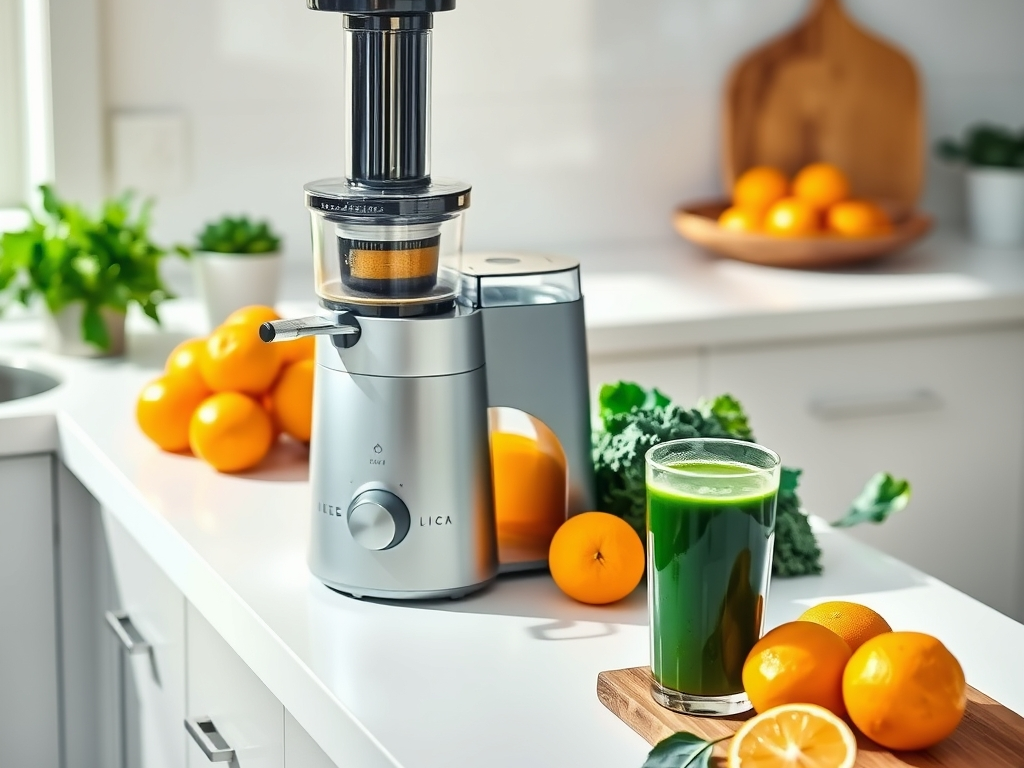
How the Omega Juicers Lineup Is Organized
Based on the brand’s published information, Omega Juicers splits its machines into two core categories: cold press juicers and centrifugal juicers. Around those, the site also offers an all-juicers collection, a best sellers section, a sale section, and a parts and accessories area.
That structure matters more than it sounds. Instead of scrolling through every model at once, you can narrow down by juicing style first, then compare within the group that actually fits how you cook and drink. The parts and accessories section is worth a look even before you buy, since juicers are long-term kitchen equipment and knowing replacement parts are easy to find is part of the value equation.
The brand also leans into juicing as a habit rather than a one-off purchase. The site includes a recipes section, a blog, a “Why Juice?” area, and a “Share Your Why” page. If you have bought a juicer before and watched it collect dust, that kind of supporting content is a genuine practical advantage. Note that the brand frames juicing as a food-preparation choice within a health-focused routine, not a medical treatment.
Cold Press vs. Centrifugal: The Decision That Actually Matters
Cold press juicers, also called slow or masticating juicers, typically run at lower speeds and use a crushing or chewing action. They’re often chosen by people who juice leafy greens, wheatgrass, or softer produce, and who don’t mind a slower process in exchange for a more deliberate press.
Centrifugal juicers spin at high speed and are generally associated with fast juicing of firmer fruits and vegetables. They suit people who want a quick workflow, especially if their juice of choice is carrot-apple rather than kale-stem.
Neither design is universally better, and any claim otherwise is marketing. The practical questions are: What will you juice most weeks? How much counter space can you give up permanently? How much cleaning are you willing to do before 7 a.m.? Do you want speed or a slower pressing process? Omega’s site separates the two categories, which makes side-by-side comparison much easier than guessing from product photos.
Who It Fits, and Who Might Skip It
An Omega juicer is a reasonable fit if you want a dedicated juicing brand with a clear two-category lineup, accessible parts and accessories, and recipes to keep you using the machine past week two. It also works for shoppers who want to choose their own juicing style rather than being steered toward one type.
You might reasonably skip it if you rarely drink juice, prefer buying it ready-made, or have very little counter and cabinet space. Budget-first shoppers should compare total cost of ownership — including replacement parts and accessories — rather than just the sticker price on the machine. And if you want one appliance that handles many kitchen jobs beyond juicing, check each product page carefully rather than assuming a model does more than its published details state.
Practical Buying Notes for U.S. Shoppers
The site currently advertises 15% off juicers with code AUTUMN15 and free shipping on orders of $50 or more. Promotions and shipping thresholds change, so confirm the details at checkout before ordering rather than assuming they’ll hold.
Before you buy, measure your counter and the clearance under your cabinets — juicers vary noticeably in height and footprint, and a machine that doesn’t fit gets returned or ignored. Check the return window and warranty terms for the specific model, and confirm that replacement parts are listed for it. Plan your cleaning routine too: removable parts, brush access, and pulp capacity affect daily usability far more than spec-sheet numbers.
If you’re new to juicing, start from the produce you already eat. Heavy greens and wheatgrass point toward cold press; fast fruit juice points toward centrifugal. Either way, follow the manufacturer’s instructions, and if you have a health condition or dietary concerns, talk with a healthcare professional before making juicing a big part of your routine.
FAQ
Does Omega Juicers sell only cold press models? No. The site lists cold press juicers, centrifugal juicers, and an all-juicers collection.
Can I buy replacement parts? Yes — there’s a dedicated parts and accessories section. Check it for the specific model you own or plan to buy.
Are there recipes on the site? Yes, the brand publishes a recipes section plus blog content, which helps if you want ideas beyond basic combinations.
Is juicing a replacement for meals? No. It’s a food-preparation choice, not a medical treatment or a substitute for professional dietary advice.
What’s the fastest way to compare models? Pick your juicing style first, then compare the best sellers and sale listings, parts availability, and each model’s published specs.
Ready to compare? Visit Omega Juicers to browse cold press and centrifugal juicers, check parts and accessories, and confirm the current promotion before you pick the machine that fits your kitchen and your routine.
This article is general information only and is not medical advice. Always read the label and follow the directions for use. If symptoms persist, talk to your health professional. Supplements should not replace a balanced diet.