
Most outdoor gear problems don’t show up in the product photos. They show up three hours into a hike, when a synthetic base layer turns clammy against your back, or on day two of a trip when everything in your pack has picked up a smell you can’t wash out at a trailhead. Icebreaker has built its product line around solving that specific problem, and the brand’s approach is worth understanding before you spend money on layers you’ll wear for years.
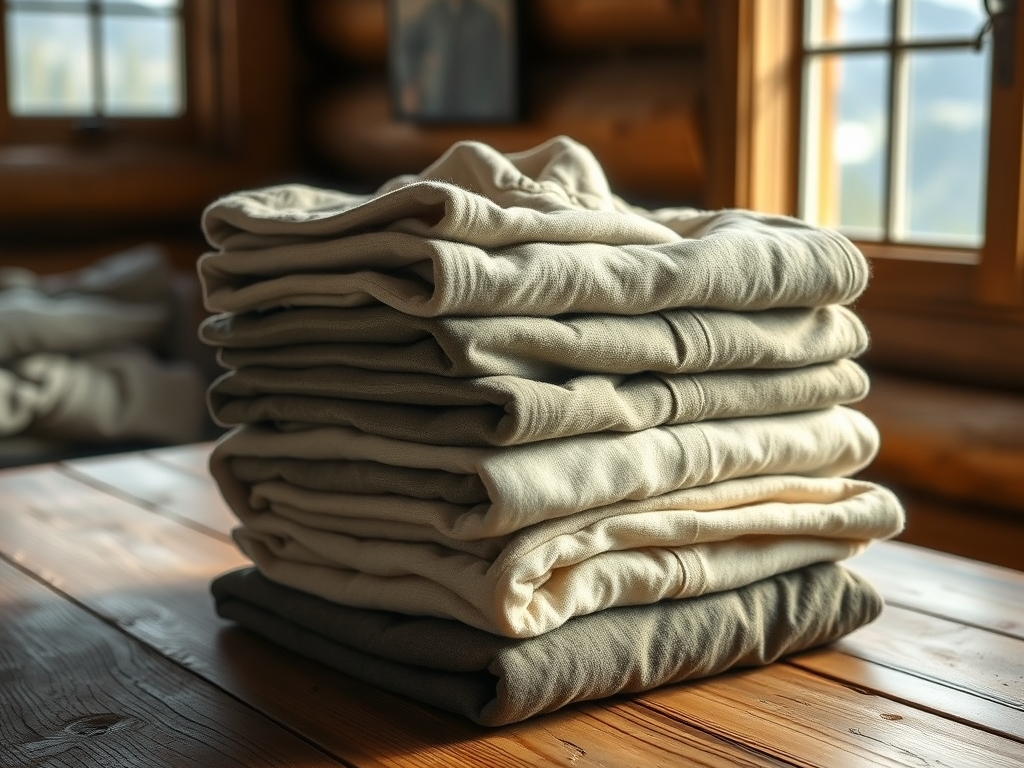
This overview walks through what Icebreaker actually sells, how the brand’s merino-based fabrics are organized, what to consider on fit and care, and which shoppers are likely to get the most value from it.
What Icebreaker Actually Makes
Icebreaker is a merino wool clothing company. That’s the short version, and it’s accurate: the brand’s catalog is built around garments made with merino wool and merino blends rather than around hardware, packs, or footwear.
The lineup covers men’s, women’s, and kids’ apparel, and it spans a wider range than most people expect from a wool brand:
- Base layers, including the Oasis and 260 Tech lines that appear prominently in the brand’s own navigation
- Midlayers and insulation, including hoodies and the Descender family, plus merino blend fleece pieces like the RealFleece Classic Pile Cardigan
- Accessories, including merino gloves, glove liners, and lifestyle socks
- Everyday and lifestyle clothing, which is a meaningful part of the offering rather than an afterthought
A few naming conventions are worth knowing. Numbers in Icebreaker product names generally refer to fabric weight in grams per square meter, so a 260-weight piece is a warmer, thicker fabric than a lighter-weight equivalent. Names like Oasis, Quantum, and Descender map to specific fabric platforms and product families rather than to a single garment.
Icebreaker also runs a loyalty program called nature.rewards, and the brand states that it offers free shipping and returns.
Why Merino Wool Is the Whole Point
Merino is a fine wool fiber, and the difference between merino and the heavy wool sweaters people picture when they hear “wool” is substantial. Icebreaker devotes a dedicated section of its site to explaining the fiber, and the brand’s positioning rests on a few practical characteristics:
Temperature regulation. Merino works across a wider range of conditions than many single-fabric options, which is why it shows up in both summer-weight and deep-winter pieces.
Moisture handling. The fiber moves moisture away from skin rather than holding it close, which matters most in the layers touching your body.
Odor resistance. According to the brand, merino’s natural properties mean garments can be worn multiple times between washes. This is one of the most commonly cited reasons people switch to merino for multi-day trips, and it’s a claim the brand makes about its own fabric rather than a guarantee about how any individual garment will perform for you.
Softness against skin. Fine-gauge merino is comfortable as a next-to-skin layer in a way that coarser wools are not, which is what makes merino base layers viable in the first place.
Icebreaker blends merino with other fibers in certain styles to add stretch, durability, or structure. The blend percentage varies by product, so if merino content matters to you, check the fabric composition on the specific item rather than assuming it’s consistent across the line.
How to Think About Layering Weights
Because Icebreaker organizes much of its apparel by fabric weight, shopping gets easier once you understand the logic. Treat the weights as a system rather than as individual products.
Lightweight layers are the ones you’d reach for in warm weather, high-output activity, or as a first layer under everything else. They prioritize breathability and quick drying over warmth.
Midweight layers are the workhorses — the pieces that handle cool mornings, shoulder-season hikes, and winter activity when you’re moving. The 260-weight family sits in this territory.
Heavyweight and fleece-backed pieces are for cold, low-output conditions: belaying, winter commuting, camp evenings, resort days. The RealFleece pile cardigan is an example of the warmer end of the range.
Accessories are the cheapest way to test whether merino works for you. Socks and glove liners sit at the accessible end of the brand’s pricing, and they’re also the items most likely to change your experience of a cold day.
A practical rule: buy your base layers first, sized to sit close to skin, then add midlayers based on the coldest conditions you realistically go out in. Buying a full system at once usually means at least one piece sits unused.
Fit, Sizing, and Care Considerations
A few general points for anyone shopping Icebreaker from the United States:
Base layers should fit snugly. A loose merino base layer loses much of its moisture-moving advantage because the fabric isn’t in consistent contact with skin. If you’re between sizes on a base layer, the closer fit is usually the more functional choice.
Midlayers and lifestyle pieces follow normal sizing. You can generally buy your usual size, though layering underneath may push you up a size in slimmer cuts.
Merino requires different care than synthetics. Icebreaker publishes a dedicated wash and care guide, and the short version is: wash cold, use a wool-appropriate detergent, skip fabric softener, and air dry. High heat is the main thing that shortens the life of wool garments.
Check the return window and shipping terms before ordering. The brand advertises free shipping and returns, but the specifics — timing, condition requirements, whether loyalty members get extended terms — are worth confirming on the site at the time you buy, since policies can change.
Kids’ sizing is worth a look for families, since merino base layers are popular for children’s winter activity and the brand does carry a kids’ range.
Who Icebreaker Suits — and Who It Doesn’t
Icebreaker tends to be a good fit if you:
- Spend multiple days outdoors and want to carry fewer layers
- Run cold or hike in variable conditions where temperature swings are constant
- Have found synthetic base layers uncomfortable against your skin
- Want clothing that works for travel as well as trail use, since merino packs down and can be re-worn
- Prefer buying fewer, longer-lasting pieces over frequent replacements
It may be a weaker fit if you:
- Want the lowest possible price per garment — merino carries a cost premium over basic synthetics, and Icebreaker sits in the mid-to-upper range for outdoor apparel rather than at the budget end
- Need very high durability against abrasion above all else, where heavy synthetics or specialized fabrics may hold up longer
- Prefer not to handle special washing instructions
- Are looking for technical hardware, packs, or footwear — this is a clothing brand
One more note on price: the catalog spans a wide range. Socks and everyday accessories sit at the accessible end, while heavier fleece and insulated pieces sit much higher. It’s a brand where you can start small and expand, which is usually the smarter approach anyway.
Frequently Asked Questions
Is Icebreaker good for summer? Yes — the brand makes lightweight layers intended for warm conditions and high-output activity. Merino’s temperature regulation is described by the brand as working across seasons, not just in cold weather.
Does merino wool itch? Fine merino is generally much softer than standard wool, and Icebreaker’s base layers are designed to be worn next to skin. Sensitivity varies by person, which is one argument for starting with socks or a single base layer before committing to a full wardrobe.
How often do you need to wash merino? The brand describes merino as naturally odor-resistant, which is why many users wash base layers less frequently than synthetics. Follow the brand’s care guide and your own comfort level. Wash cold and air dry.
Is Icebreaker only for serious outdoor athletes? No. A large share of the line is everyday clothing — hoodies, cardigans, socks — designed for casual wear as much as for trail use.
Where should a first-time buyer start? A single midweight base layer in the weight range that matches your typical conditions, plus socks. That combination gives you a realistic sense of how the fabric works for you before you invest in midlayers or insulation.
Start With One Layer, Not a Wardrobe
Icebreaker’s catalog rewards a deliberate approach. Figure out the conditions you actually go out in, pick the fabric weight that matches, and buy one piece to test against your existing gear. If merino delivers the comfort and re-wearability you’re after, the rest of the system is easy to build from there — and if it doesn’t, you’ve learned that for the price of a base layer instead of a full kit.
Browse the current men’s, women’s, and kids’ collections on the Icebreaker site, check fabric weights and compositions on each product page, and confirm shipping and return terms for your location before you check out.