
Herbal products are one of the easiest categories to get lost in. Two brands can both say “organic” and “herbalist-formulated” on the front of the box and still sell you two completely different things: one might be a tea bag you steep in a mug, the other a dropper bottle you take between meetings. Pukka Herbs and WishGarden Herbs sit on opposite ends of that spectrum, which makes them a useful pair to compare if you are shopping for natural wellness options and want to know what you are actually buying.
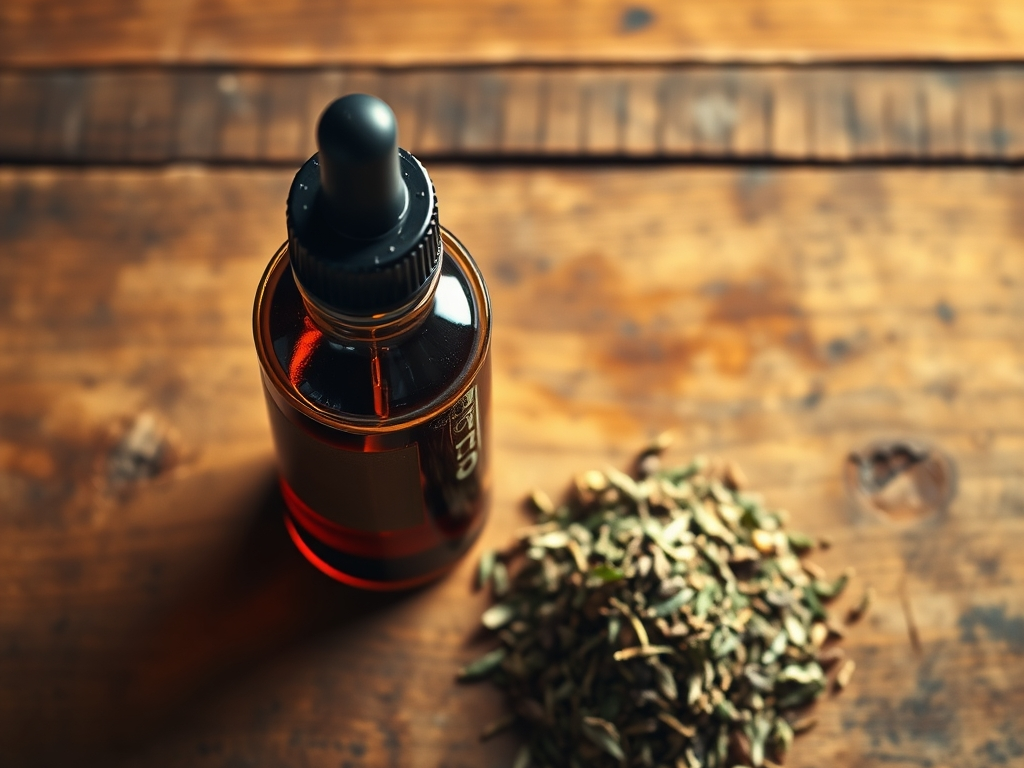
This overview is for readers who want a clear, side-by-side look at the two brands before spending — what each one is known for, which format fits which kind of routine, and what to check on the label. It is built from publicly available brand information and general category knowledge, not from hands-on testing, and it does not rank one brand above the other. The right pick depends on whether you want a daily ritual, a shelf-stable supplement, or a portable liquid.
Pukka Herbs vs WishGarden Herbs at a Glance
| Brand | Best for | Main products | What stands out | Things to check |
|---|---|---|---|---|
| Pukka Herbs | Tea drinkers who want a daily, enjoyable ritual and prefer blends inspired by traditional herbal systems | Certified organic herbal teas and infusions, plus a range of herbal supplements in capsule form built around single herbs and traditional blends | A tea-first brand with a broad tea range plus capsule supplements; organic focus; blends inspired by Ayurvedic tradition; check which retailers stock it in your market | Shipping and import considerations if you order from outside its home market; steep times and serving guidance on each box; the exact herb list and per-serving amounts on supplement labels |
| WishGarden Herbs | People who want a portable liquid tincture format from a small, family-run producer with a long track record | Liquid herbal tinctures, including formulas aimed at cold season and at nighttime wake-ups, sold in dropper bottles | Herbalist-formulated since 1979; woman-owned and family-run; made in its own NSF GMP and USDA Organic certified facility in Colorado; carries Non-GMO Project Verified and Certified B Corporation credentials; the brand describes its tinctures as fast-acting | Whether a formula is alcohol-based or glycerin-based; dosage directions and how to take it (many tinctures are taken in water); shelf life and storage once opened; check current ingredient lists per formula |
What Pukka Herbs Is Known For
Pukka Herbs is primarily a tea brand, with teas forming the core of its range. The range leans on traditional herbal and Ayurvedic inspiration — think blends built around herbs like fennel, licorice, chamomile, peppermint, and turmeric — and the brand positions organic certification as central to how it sources. Alongside the teas, it sells herbal supplements, which is where the closest overlap with a tincture brand sits.
That combination — a strong tea line plus capsule supplements — makes Pukka a good fit for someone who wants a low-effort daily habit. A cup of herbal tea is easy to work into a morning or evening routine, and it does not require measuring or counting drops. The trade-off is that tea is dilute by nature: it is a beverage first. If your goal is a concentrated, measured amount of a specific herb, the supplement side of the range is the part to look at, and the label matters more than the flavor description.
One practical note for US shoppers: availability varies by retailer. Buying locally avoids international shipping and customs questions, and it also means you can read the packaging as sold in your market.
What WishGarden Herbs Is Known For
WishGarden Herbs describes itself as herbalist-formulated since 1979, woman-owned, family-run, and made in its own certified facility in Colorado for nearly 50 years. The brand builds liquid herbal tinctures, and it frames the category around speed and convenience — its own language is “fast-acting liquid herbal tinctures,” with formulas aimed at moments like cold season or 3 a.m. wake-ups.
The credentials listed on its site are worth noting if third-party verification matters to you: it states that production happens in an NSF GMP and USDA Organic certified facility, and it displays Non-GMO Project Verified and Certified B Corporation badges. Those are supply-chain and manufacturing signals rather than promises about how a product will work for you, but they are the kind of detail that is hard for a small brand to obtain and easy for a shopper to check.
The tincture format itself is the main differentiator. A dropper bottle travels well, takes up almost no space, and does not need brewing — you measure drops into water or take them as directed. If your routine falls apart the moment it requires steeping something, that matters more than any ingredient list.
Tea, Capsules, or Tinctures: Which Format Fits Your Routine?
Format is the decision that shapes everything else, because it determines whether you actually use the product.
Choose a tea-first brand like Pukka if you enjoy the ritual itself, you want something you can sip socially or in the evening, and you prefer a gentle, repeatable habit over a measured dose. Herbal teas are also the easiest entry point if you are new to a particular herb and want to get familiar with its taste.
Choose a tincture-focused brand like WishGarden if you want something portable, alcohol- or glycerin-based (check which), and easy to take on a schedule that is not tied to a kettle. Tinctures are also a better fit for people who do not want to drink several cups of liquid a day.
Consider capsules if you want a fixed, repeatable amount with no taste and no preparation — Pukka’s supplement range covers this, and it is the format most people default to when convenience is the priority.
What to Check Before You Buy
A few label details separate a good purchase from a shelf ornament:
- The full herb list, not the headline herb. Blends often lead with one familiar plant and include several others. Read the whole panel.
- Per-serving amounts. Tea bags and capsules are not directly comparable; check what a single serving actually delivers.
- Extraction base for tinctures. Alcohol-based and glycerin-based tinctures taste different and suit different preferences. The brand’s own product pages will say which you are getting.
- Certifications you can verify. USDA Organic, Non-GMO Project Verified, NSF GMP, and B are checkable claims. Treat unverifiable superlatives as marketing.
- Storage and shelf life. Tinctures and teas both degrade over time; note the storage guidance once a bottle or box is open.
If you take medication, are pregnant or nursing, or are managing a health condition, talk to a qualified healthcare professional before adding any herbal product to your routine, and follow the label directions rather than improvising a dose. Nothing here is medical advice, and no herbal product should replace care from a clinician.
How to Choose Between Them
There is no single winner here because the two brands solve different problems.
- If you want a daily habit you will actually keep, start with Pukka’s teas. The ritual is the feature.
- If you want a measured, concentrated herbal product in capsule form, look at Pukka’s supplement range and read the per-serving panel closely.
- If you want something portable and quick to take, WishGarden’s tinctures are built for exactly that use case.
- If manufacturing transparency is your top priority, WishGarden publishes a detailed picture of its facility and certifications, which is worth reviewing alongside the ingredient list.
- If you are buying from the US and want to avoid shipping complications, check which retailer stocks each brand domestically before ordering direct from an overseas site.
Frequently Asked Questions
Are Pukka Herbs and WishGarden Herbs the same kind of product? Not exactly. Pukka is primarily a tea brand and also sells herbal supplements in capsule form. WishGarden specializes in liquid herbal tinctures. The formats are different, so compare them on how you plan to use them rather than on brand name alone.
Are these products certified organic? Pukka emphasizes organic certification across its range, and WishGarden states that it produces in a USDA Organic certified facility and displays Non-GMO Project Verified credentials. Always confirm the certification mark on the specific product you are buying, since it can vary by SKU.
Can I take a tincture and drink herbal tea on the same day? That is a question for a healthcare professional, especially if you take medication or are pregnant or nursing. Herbal products can overlap in ingredients, and the right answer depends on your individual situation.
Where to Start
Pick the format first, then the brand. If a daily cup sounds sustainable, browse Pukka Herbs’ tea and supplement range and read the label panels for the herbs you are curious about. If you want a dropper bottle that fits in a bag, look through WishGarden Herbs’ tincture lineup and check the extraction base and directions on each formula. Either way, start with a single product rather than a full shelf, follow the label, and loop in your doctor if you have any health questions before you begin.
This article is general information only and is not medical advice. Always read the label and follow the directions for use. If symptoms persist, talk to your health professional. Supplements should not replace a balanced diet.